Wikimedia Commons · Public domain · Hover to magnify, click for fullscreen
Original fileNicolas Chamfort
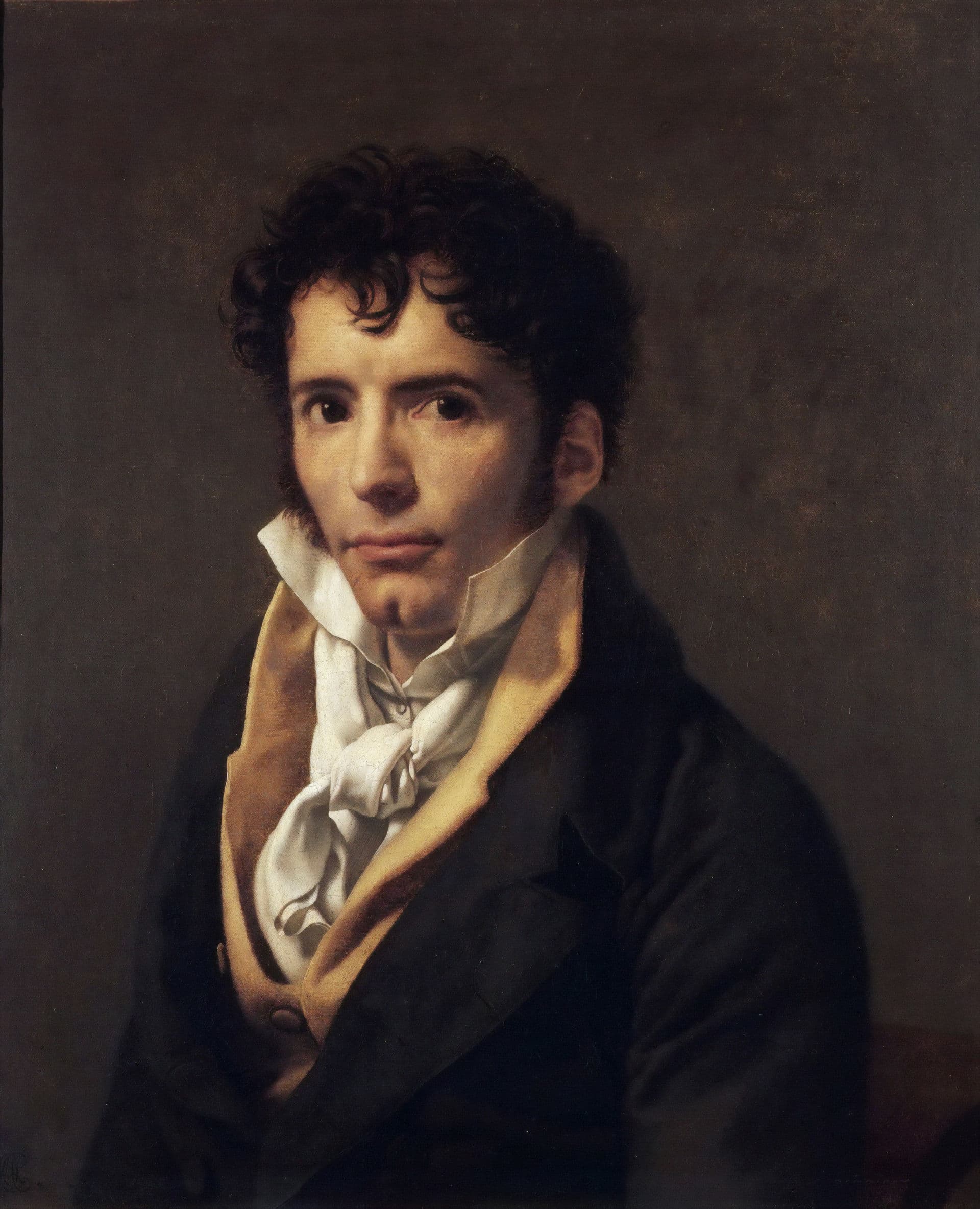
Portrait of Nicolas Chamfort (1741-1794)

About This Work
This circular engraving depicts the Enlightenment wit and aphorist Nicolas Chamfort in 18th-century dress, wearing a powdered wig, a lace cravat, and a vibrant red coat. He faces the viewer with a neutral expression against a dark, textured background. The entire portrait is encased within the body of a serpent eating its own tail, a symbol known as the Ouroboros.
The inclusion of the Ouroboros, a primary symbol of Hermeticism and alchemy representing the unity of all things and the cycle of nature, suggests an esoteric dimension to this portrait. As a member of the Loge des Neuf Sœurs, Chamfort's depiction within this ancient symbol may reference his Masonic ties or the perceived immortality of his philosophical maxims.