


Chinese Technology & Science
Illustrated technical manuals from the Song through Ming dynasties
Illustrations
Browse all60 images extracted from 13 books
This woodcut depicts a dragon (Long) soaring through clouds and flames, as illustrated in the 1596 edition of Li Shizhen's 'Bencao Gangmu'. In traditional Chinese medicine, various parts of the dragon (often fossilized bones) were believed to have medicinal properties, reflecting the integration of mythical creatures into historical scientific texts.
This portrait depicts Song Yingxing (1587–c. 1666), the Ming dynasty scholar and author of the encyclopedic work Tiangong Kaiwu (Exploitation of the Works of Nature). He is shown in traditional scholar's attire, reflecting his status as a literatus who dedicated himself to the systematic study and documentation of Chinese science and technology.
This woodcut from the 1621 military compendium 'Wubei Zhi' depicts a 'Fire Cabinet Enemy-Attacking Carriage,' a specialized siege engine designed for incendiary warfare. A soldier in traditional Ming armor stands beside the wheeled, armored device, holding a torch likely used to ignite the weapons housed within the cabinet.
This woodcut from the 1621 military treatise Wubei Zhi illustrates a 'Divine Arm Bed Crossbow' (Shenbi Chuangzi Liancheng Nu). It depicts a soldier operating a powerful, multi-shot siege weapon mounted on a sturdy wooden frame, highlighting the sophisticated mechanical engineering of Ming Dynasty artillery.
This woodcut from the 1621 military treatise Wubizhi depicts a specialized war wagon equipped with multiple shields and spears. The shields are decorated with fierce, monstrous faces intended to intimidate the enemy, while soldiers are shown actively maneuvering the device on the battlefield. This illustration provides valuable insight into the sophisticated siege and defensive weaponry developed during the Ming Dynasty.
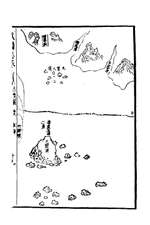
This woodblock print map is from the Wubei Zhi (Treatise on Armament Technology), the most comprehensive military book in Chinese history, compiled by Mao Yuanyi in 1621. It illustrates a coastal region, likely for naval defense purposes, featuring stylized waves, rugged islands, and labeled military outposts or landmarks. Such maps were crucial for maritime security and navigation during the late Ming Dynasty.

This woodcut from the seminal 1596 edition of Li Shizhen's 'Bencao Gangmu' depicts the harvesting of 'Huang Teng' (Yellow Rattan). The illustration serves a dual purpose: providing a visual reference for plant identification and demonstrating the practical method of collection. As a cornerstone of traditional Chinese medicine, these detailed woodcuts were essential for practitioners to accurately source and utilize natural remedies.

This woodcut from the 1637 encyclopedia Tiangong Kaiwu illustrates the collaborative effort required to forge a massive iron anchor. It captures the sophisticated engineering of the Ming Dynasty, showing workers using a system of chains and pulleys to maneuver the glowing metal while others strike it with heavy hammers. This image is a testament to the advanced metallurgical techniques and organized labor of the period.

This woodcut illustration from a Chinese military treatise depicts a soldier demonstrating the technique for cocking a crossbow using his knee for leverage. The image serves as a practical instructional guide, reflecting the sophisticated military technology and training methods of the period. The accompanying text identifies the scene as a 'Diagram of cocking a crossbow on the knee'.
China's extraordinary tradition of illustrated technical literature, from Shen Kuo's 11th-century Dream Pool Essays to Song Yingxing's 1637 天工開物 (Tiangong Kaiwu) — a comprehensive encyclopedia of manufacturing and agriculture that has been called "the Chinese Diderot." These woodblock-illustrated manuals document everything from bronze casting and silk weaving to gunpowder weapons and astronomical instruments, preserving knowledge that was centuries ahead of contemporary European practice.
All Books
Browse Full Catalog→152 books in this collection
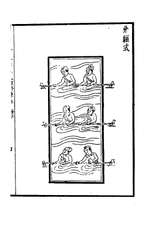
Treatise on Armament Technology: Logistics for River Crossings
茅元儀
Treatise on Military Preparedness
茅元儀
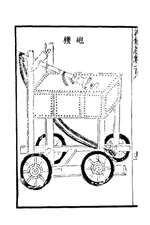
Treatise on Military Preparations, Volume 45
茅元儀
Compendium of Materia Medica, Vol. 49
李時珍
Treatise on Armament Technology: Military Logistics and Provisions
茅元儀
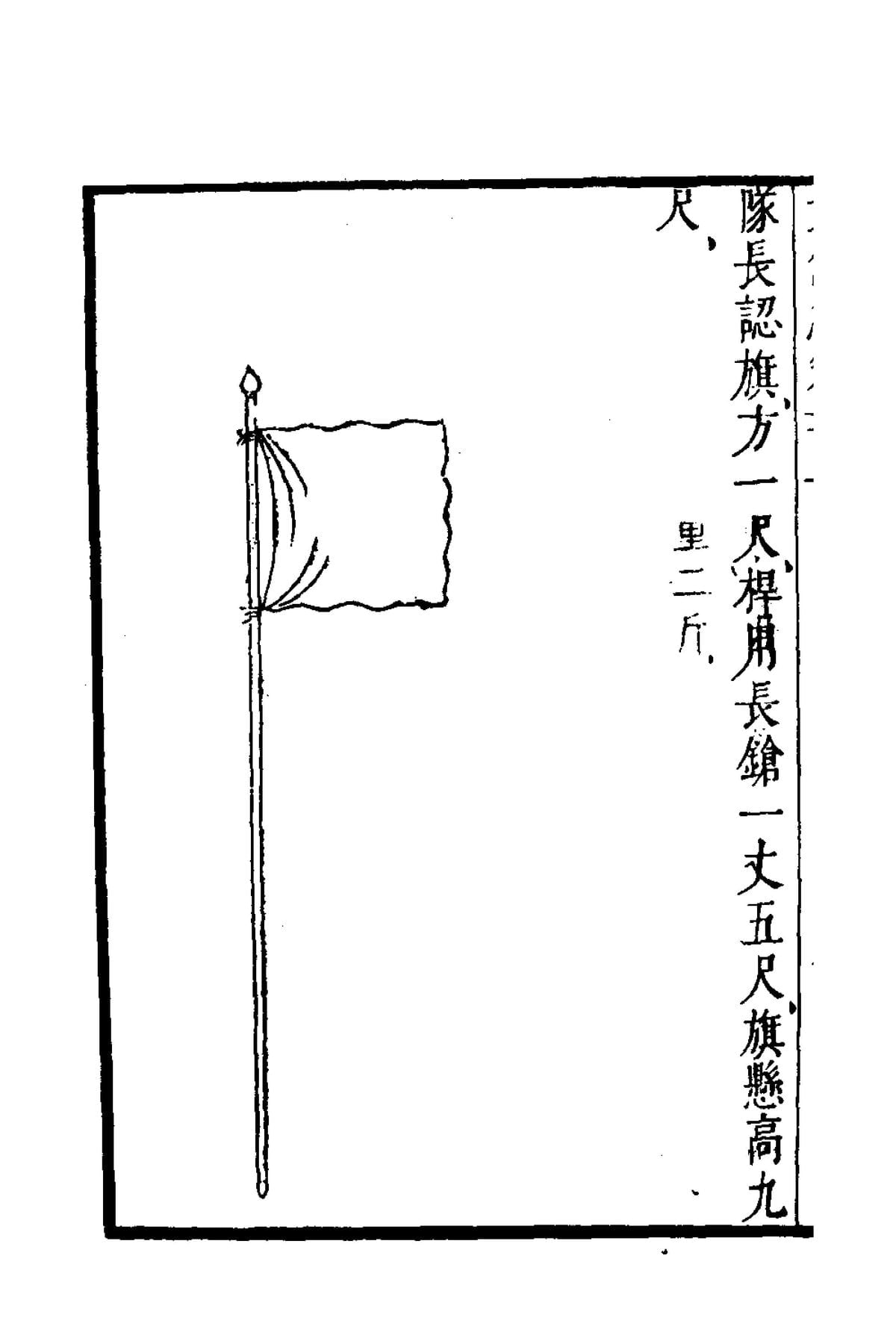
Treatise on Armament Technology, Volume 42
茅元儀
Compendium of Medicinal Substances, Volume 33
李時珍
Treatise on Armament Technology
茅元儀
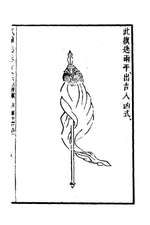
Treatise on Armament Technology: Military Divination
茅元儀
Treatise on Military Preparedness, Volume 14
茅元儀
Supplement to the Compendium of Materia Medica, Volume 4
趙學敏
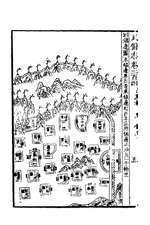
Treatise on Military Preparedness, Volume 90
茅元儀
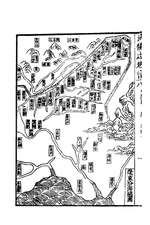
Treatise on Armament Technology: Coastal Defense of Liaodong
茅元儀
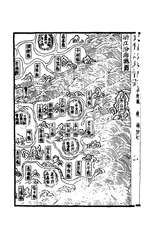
Treatise on Military Preparation: Coastal Defense of Zhejiang
茅元儀