
Templar & Chivalric Orders
The Knights Templar and their legacy in European secret societies
From the suppression of the Knights Templar in 1312 to the chivalric degree systems of eighteenth-century Freemasonry, these texts trace one of the most persistent legends in Western esotericism: the survival of Templar knowledge through secret transmission. The historical Knights Templar left few internal documents, but their dissolution created a vacuum that later fraternal orders rushed to fill — claiming lineages, imitating rituals, and elaborating a mythology of hidden wisdom passed from the crusader knights to modern initiates.
The Rectified Rite of Jean-Baptiste Willermoz represents the most sophisticated synthesis of Templar legend and Christian theosophy, while ritual manuscripts like the Knight of Palestine and the Knight of the Holy Sepulchre preserve the ceremony and catechism of the chivalric degrees as actually practiced in French and German lodges. The Rules and Statutes of the Teutonic Order provides a genuine medieval counterpoint — the real constitutional framework of a crusading order, against which the Masonic reconstructions can be measured.
Essential Reading
The foundational texts of this tradition
Order of the Temple: Documents Concerning the Formation of this New Establishment, 1813-1822
Unknown, 1822First Translation
Primary documents concerning the formation of the revived Order of the Temple in the early nineteenth century — an attempt to reconstitute the Templars as a functioning order.
Rules and Statutes of the Teutonic Order
Unknown, 1650First Translation
The actual medieval rules and statutes of the Teutonic Knights — a genuine crusading order's constitutional documents, providing historical grounding for the later Masonic imitations.
Important Works
Significant texts that deepen understanding

Knight of Palestine (Knight of the Triple Cross)
Unknown, 1842First Translation
The Knight of Palestine degree ritual — one of the core chivalric grades linking Masonic initiation to the crusader tradition.

Discourse of the Knights of the Holy Sepulchre
Unknown, 1780First Translation
Discourse of the Knights of the Holy Sepulchre — the ceremonial and catechetical framework of a Templar-derived Masonic degree.
Ritual of the Novitiate, the Templar, and the Professed Knight
Epi Doré, Auguste de l', 1775First Translation
The Novitiate, Templar, and Professed degrees — a complete progression from aspiring knight to professed member of the Temple.

Rectified Rite: Beneficent Knights of the Holy City, Novitiate of the Squires
Willermoz, J.-B., 1778First Translation
Willermoz's version of the Rectified Rite novice degree — the entry point into the Beneficent Knights of the Holy City.
Also Notable

Degrees of Grand Inspector, Knight Kadosh, and Grand Templar; Statutes of the Sublime Order of Elected Knights
Unknown, 1800First Translation
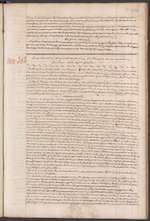
Illustrious and Grand Knight of the Temple of Jerusalem
Unknown, 1780First Translation

Acts of the Internal Work of Masonry: Ceremonies for Illuminated Knights and Templar Knights in Sweden
Unknown, 1783First Translation
All Books
Browse Full Catalog→17 books in this collection
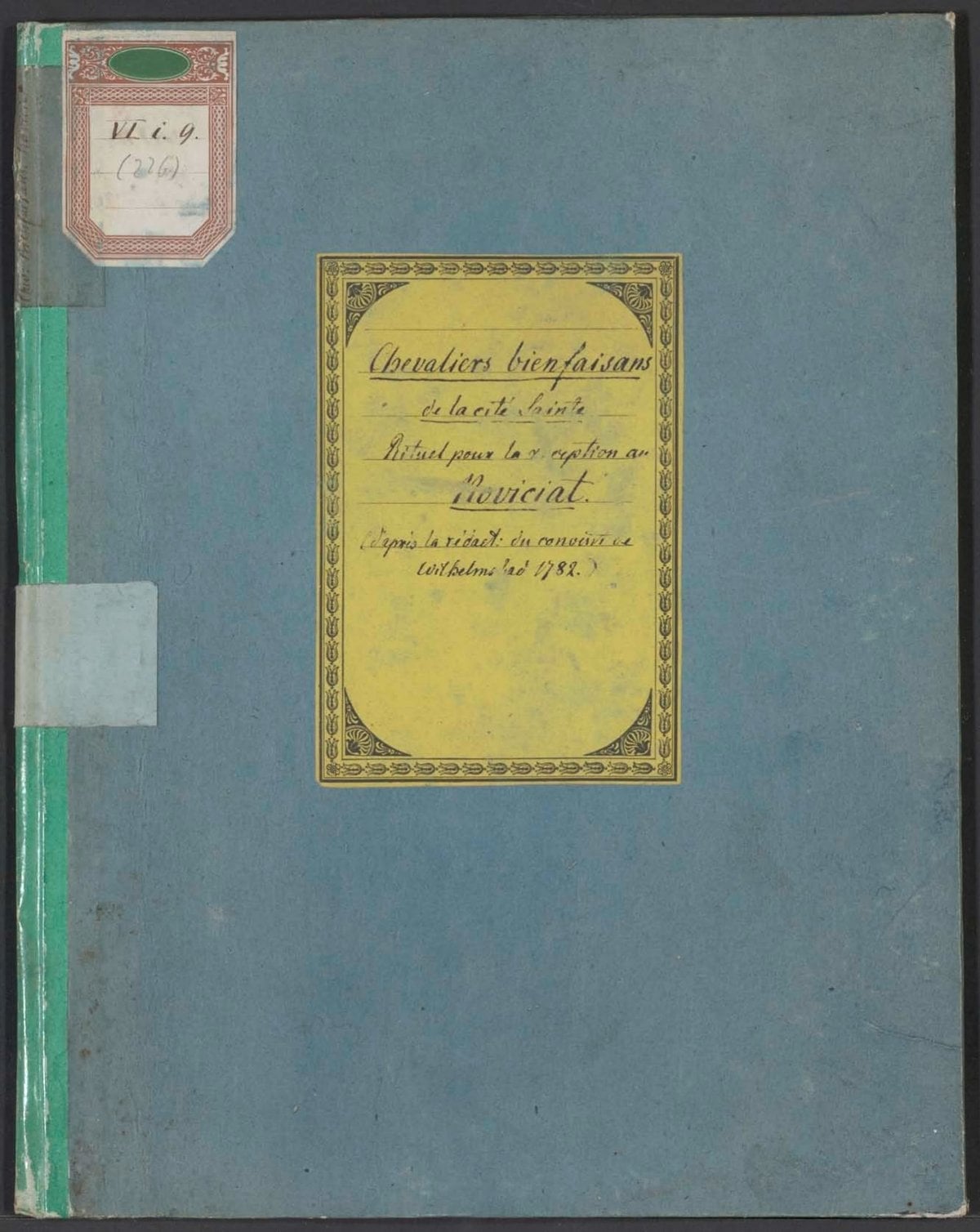
Rectified Rite: Beneficent Knights of the Holy City, Ritual for the Novitiate
Hedera, ab
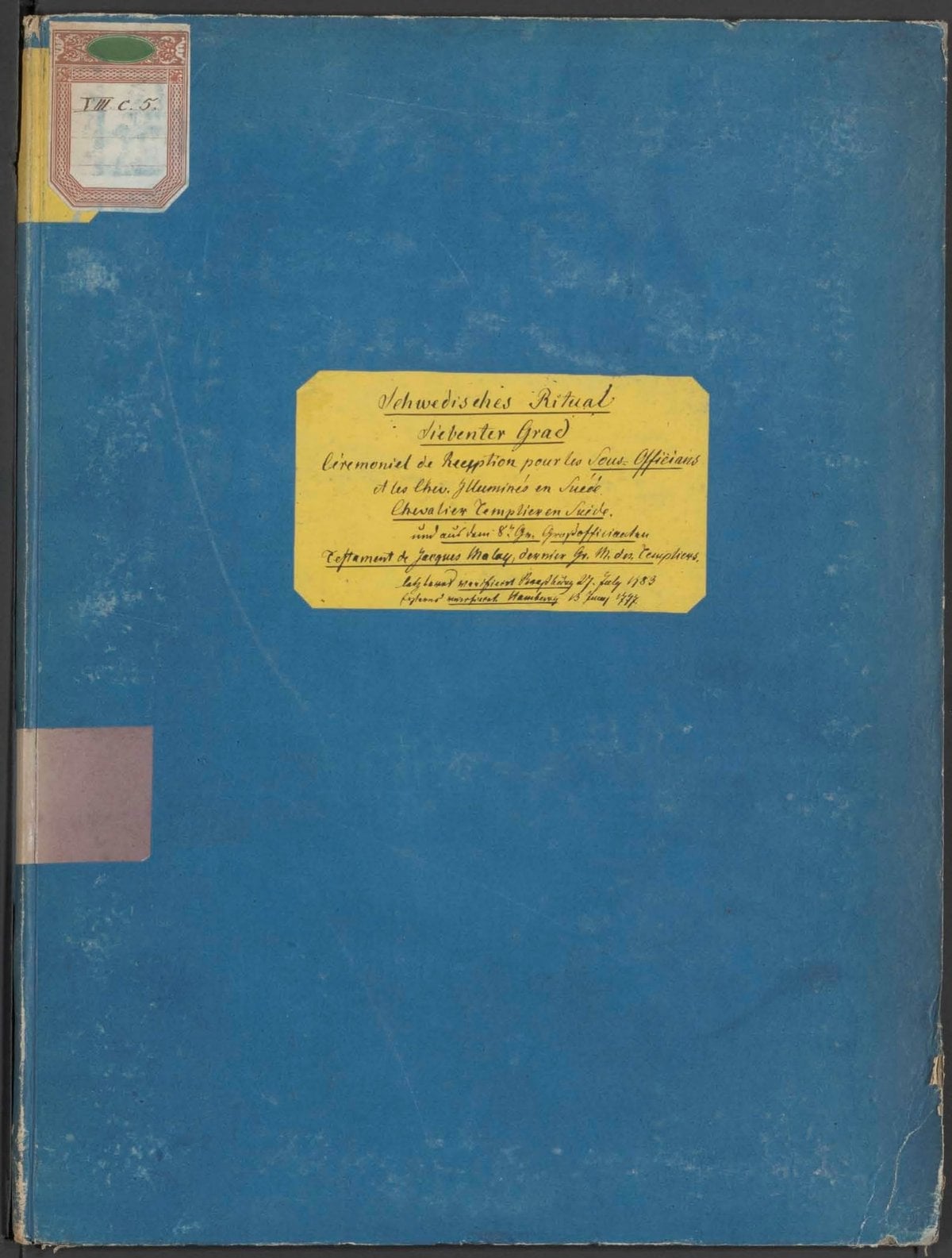
Acts of the Internal Work of Masonry: Ceremonies for Illuminated Knights and Templar Knights in Sweden
Unknown
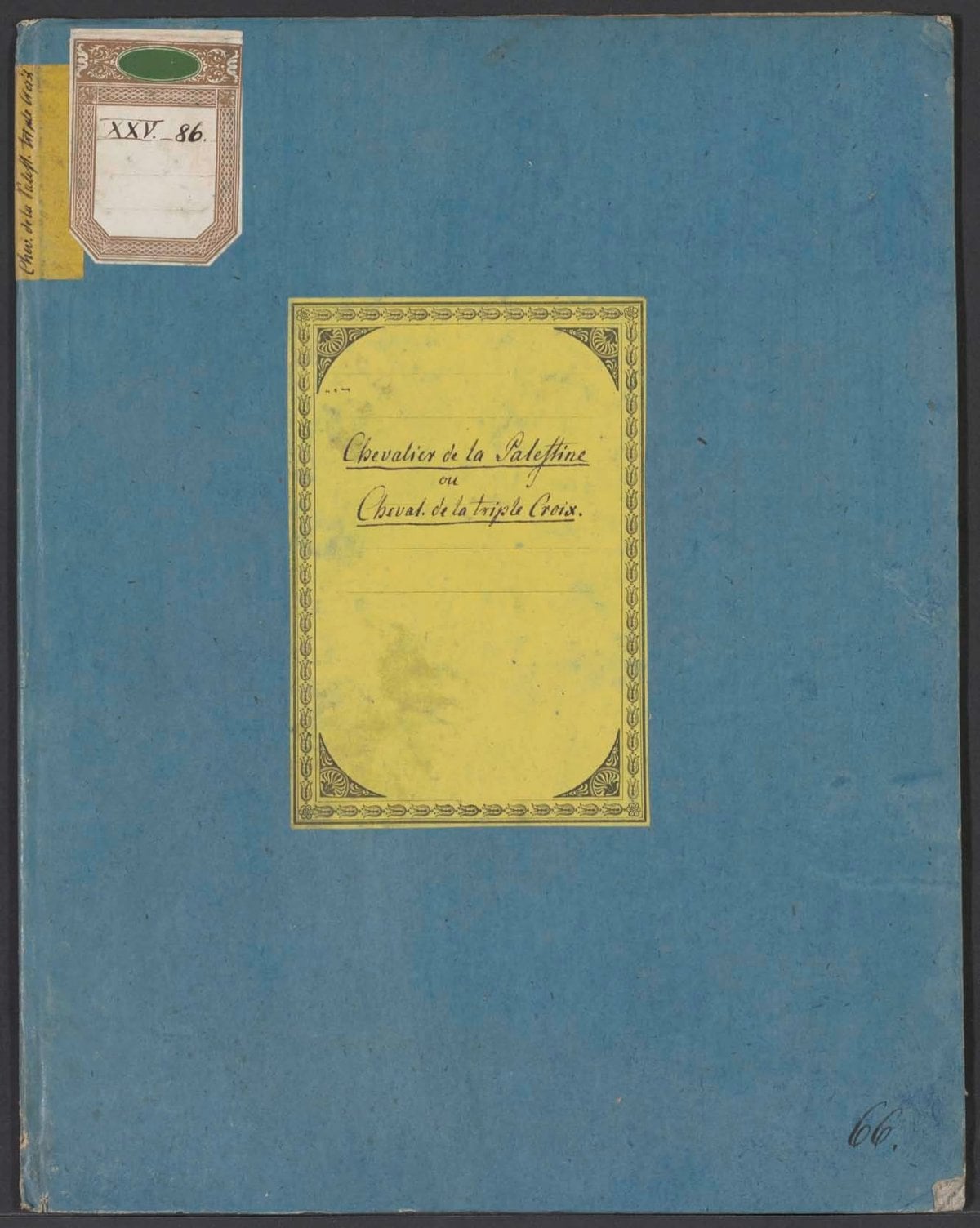
Knight of Palestine (Knight of the Triple Cross)
Unknown
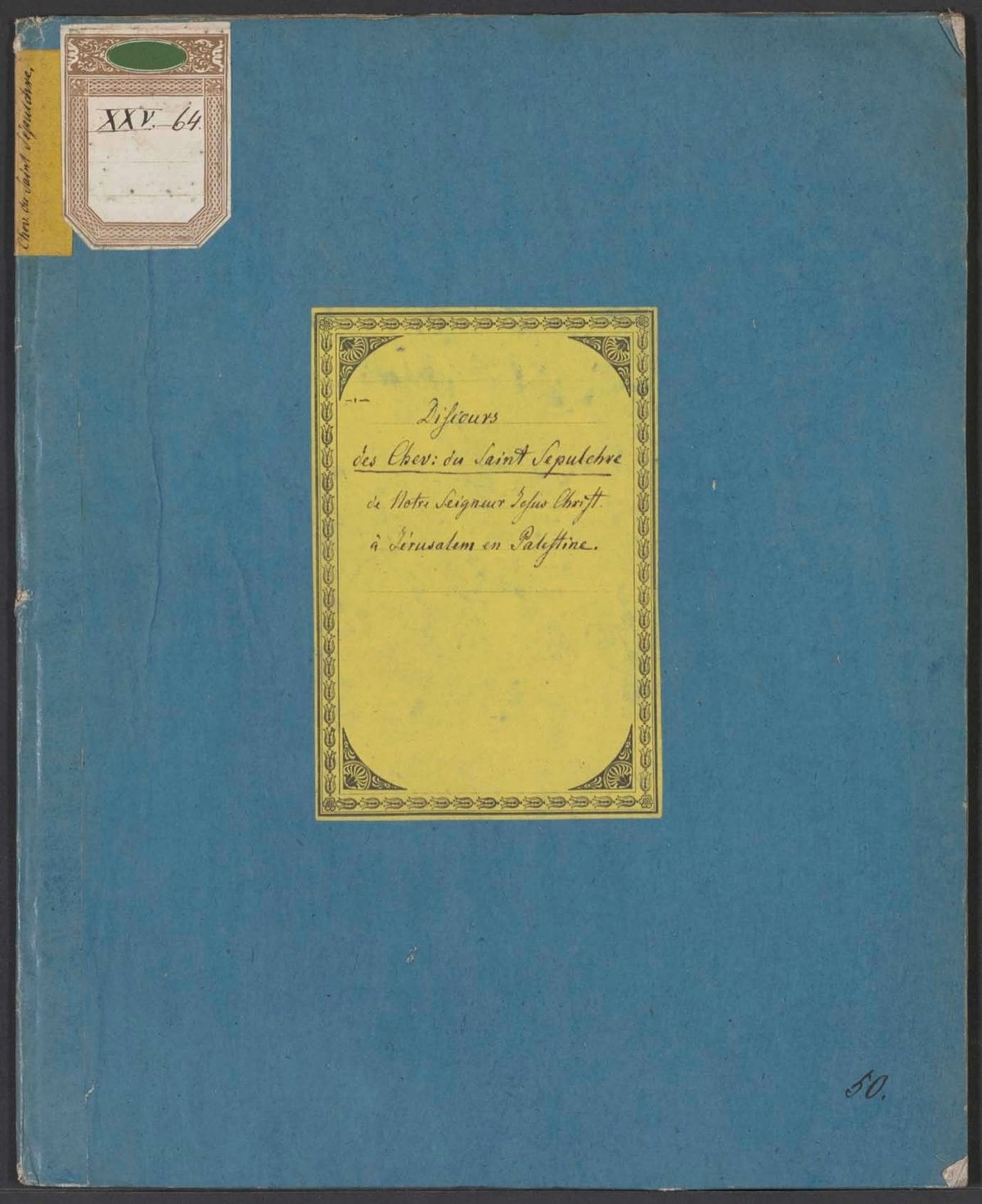
Discourse of the Knights of the Holy Sepulchre
Unknown
Scottish Masonry: Apprentice, Fellowcraft, Master, Sublime Master, and Woodcutter
Unknown
Encyclopedia of Freemasonry, Vol. II
Lenning, C.
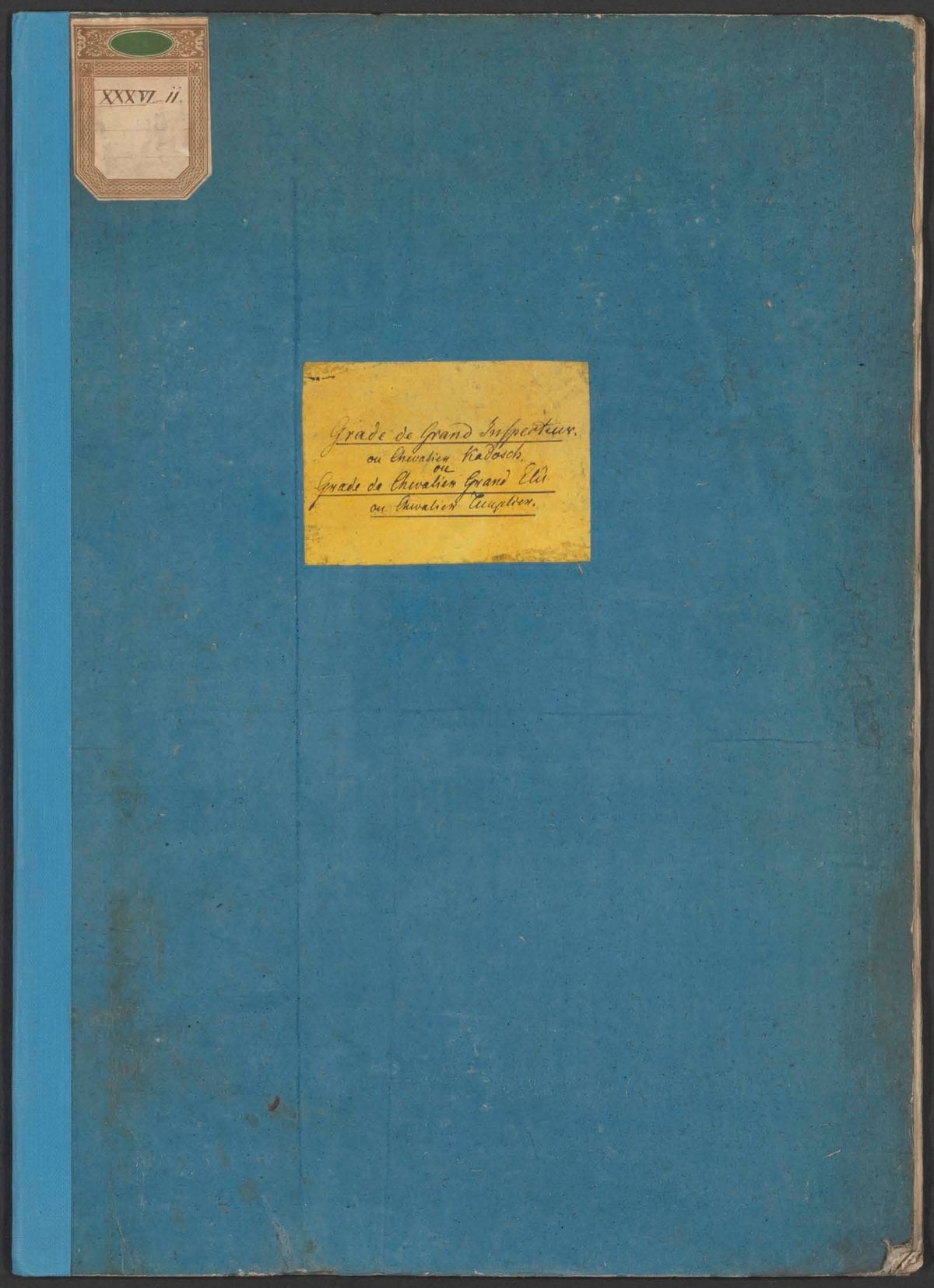
Degrees of Grand Inspector, Knight Kadosh, and Grand Templar; Statutes of the Sublime Order of Elected Knights
Unknown
History and Catechism of the Woodcutter Degree
Unknown
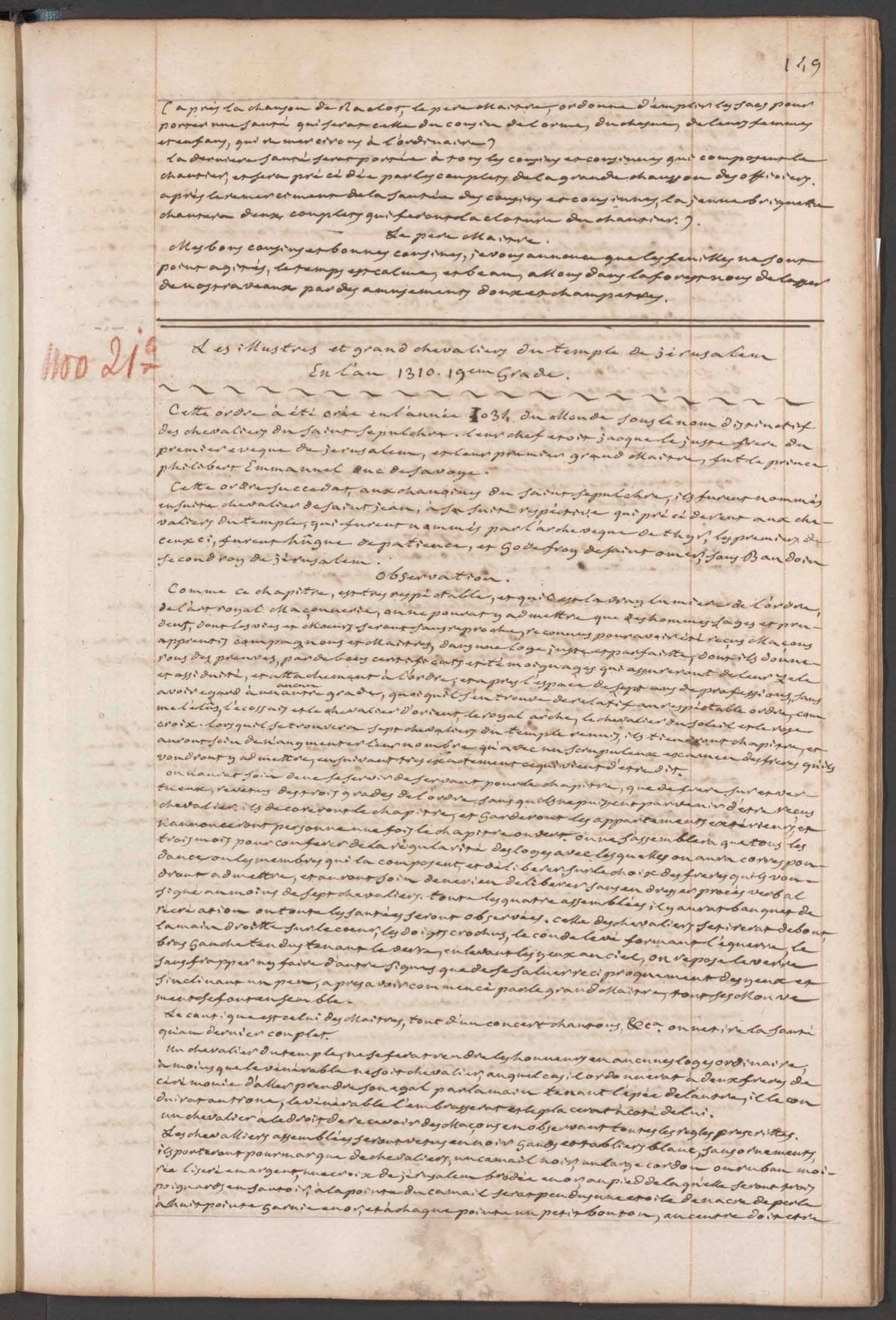
Illustrious and Grand Knight of the Temple of Jerusalem
Unknown
Noachite, or Prussian Knight
Unknown
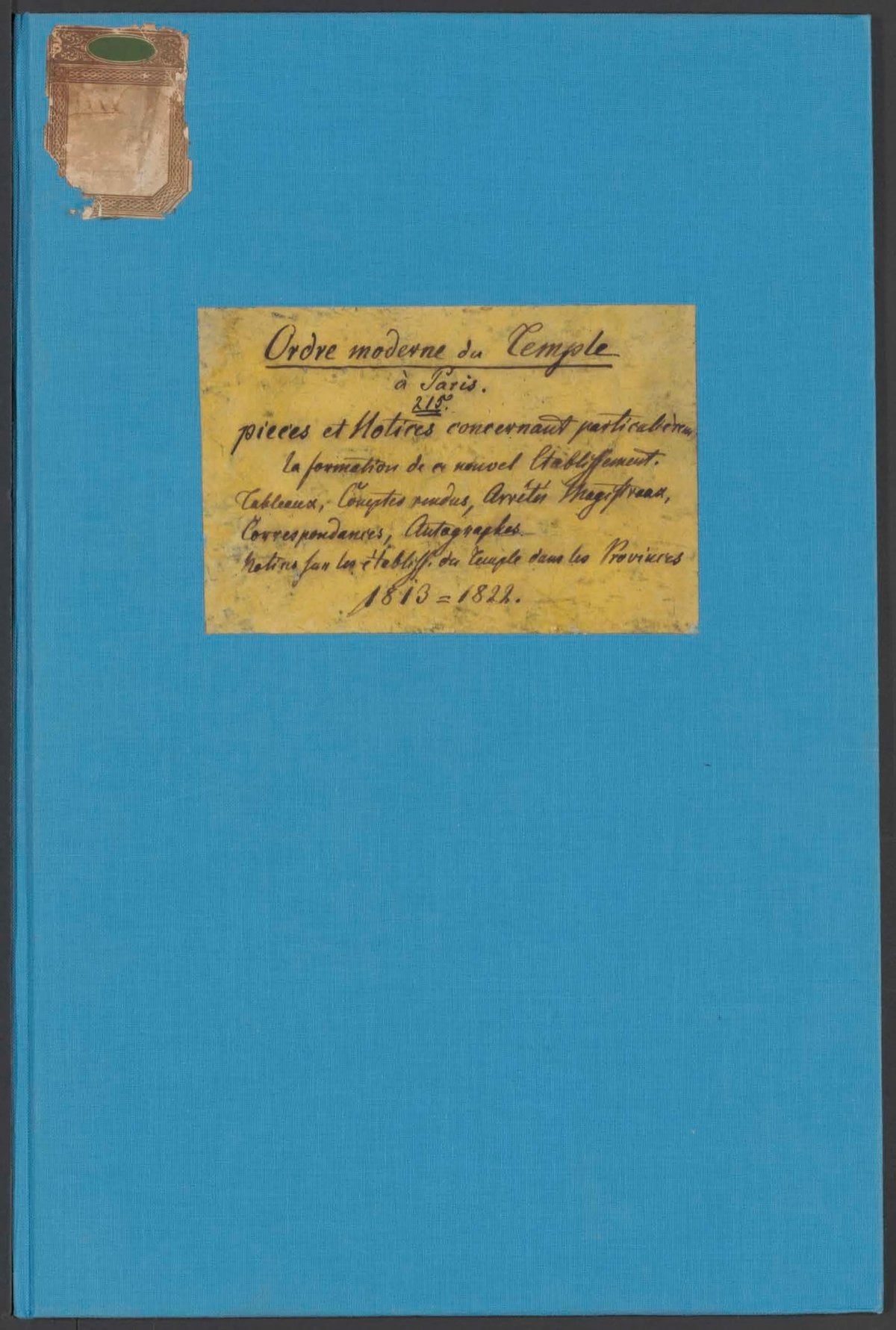
Order of the Temple: Documents Concerning the Formation of this New Establishment, 1813-1822
Unknown
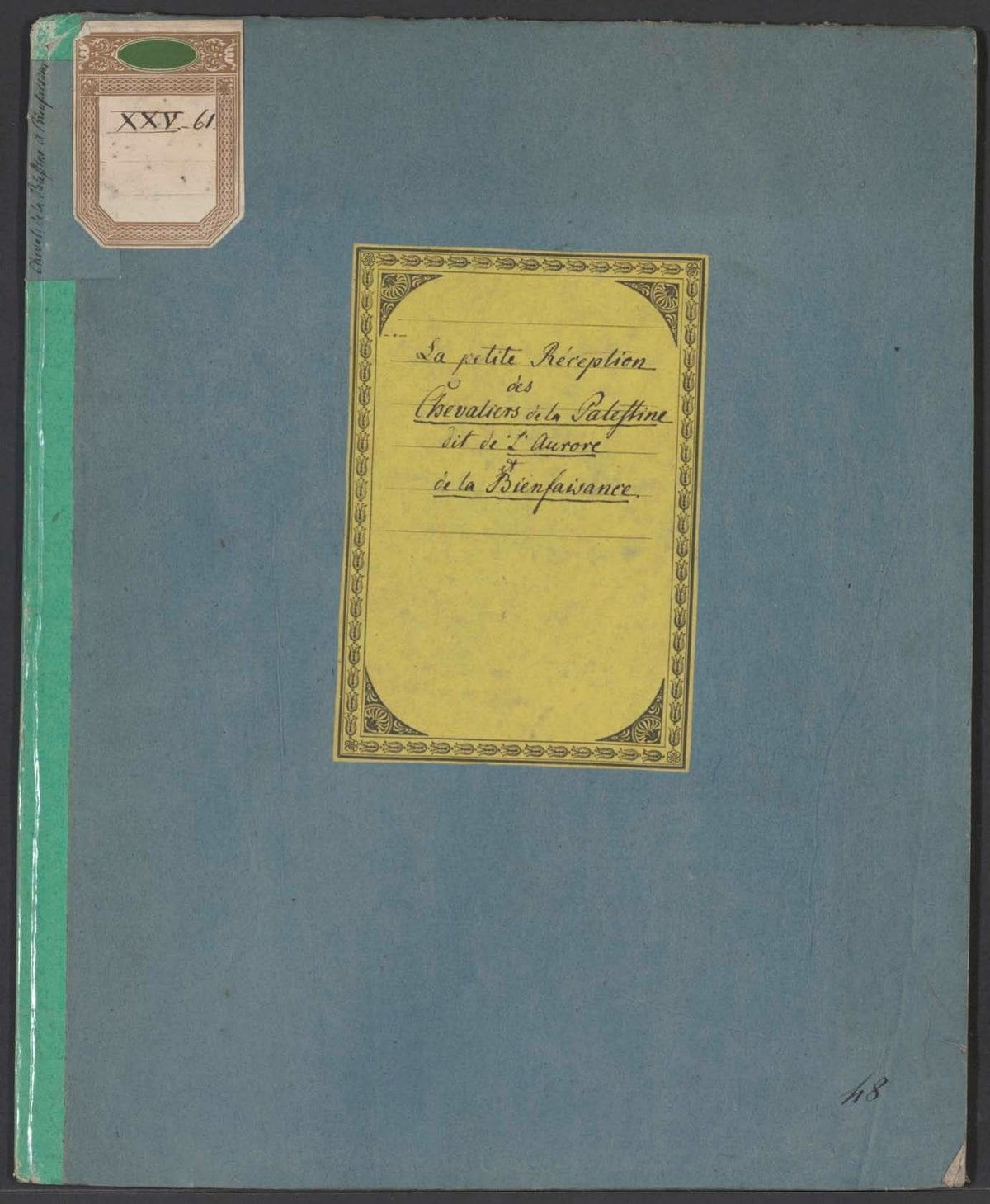
Small Reception of the Knights of Palestine
Unknown
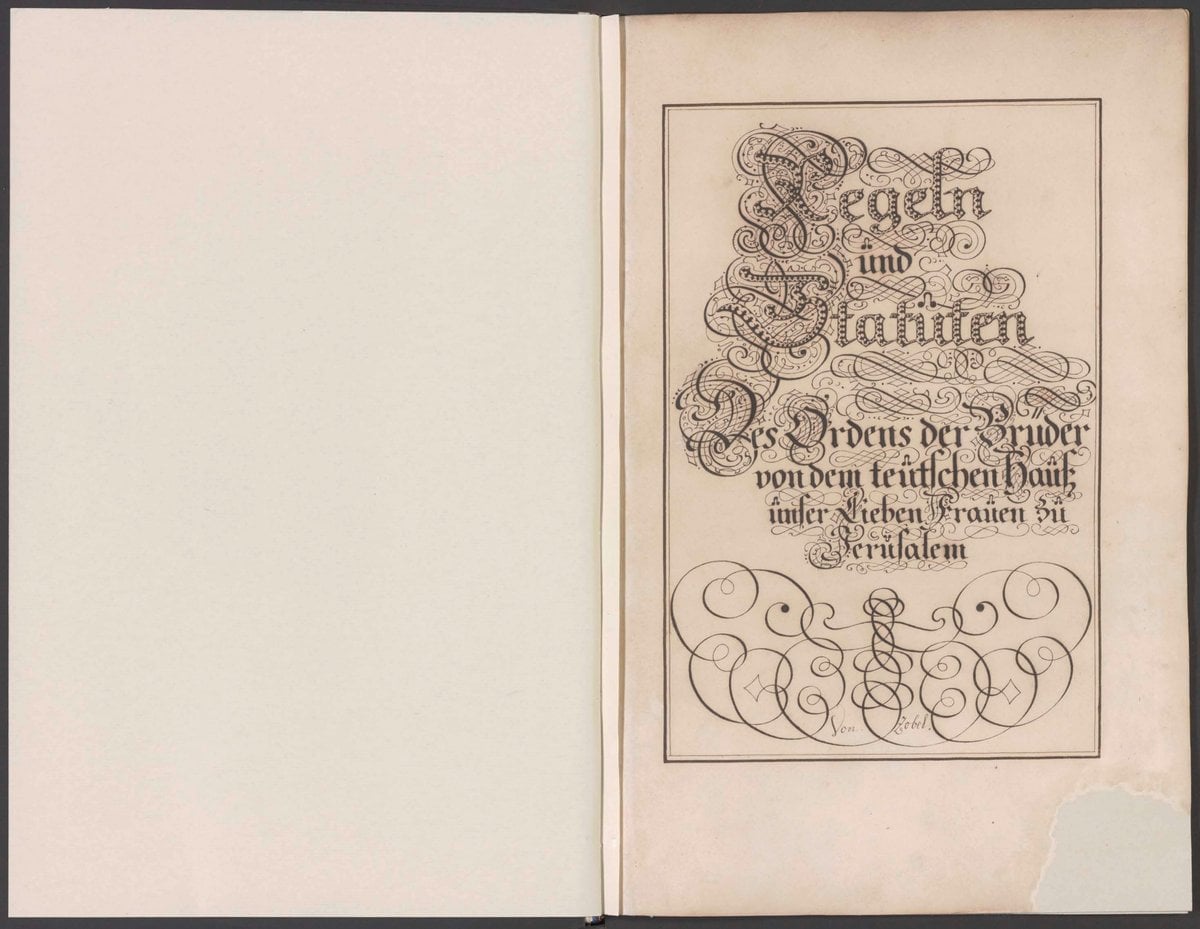
Rules and Statutes of the Teutonic Order
Unknown
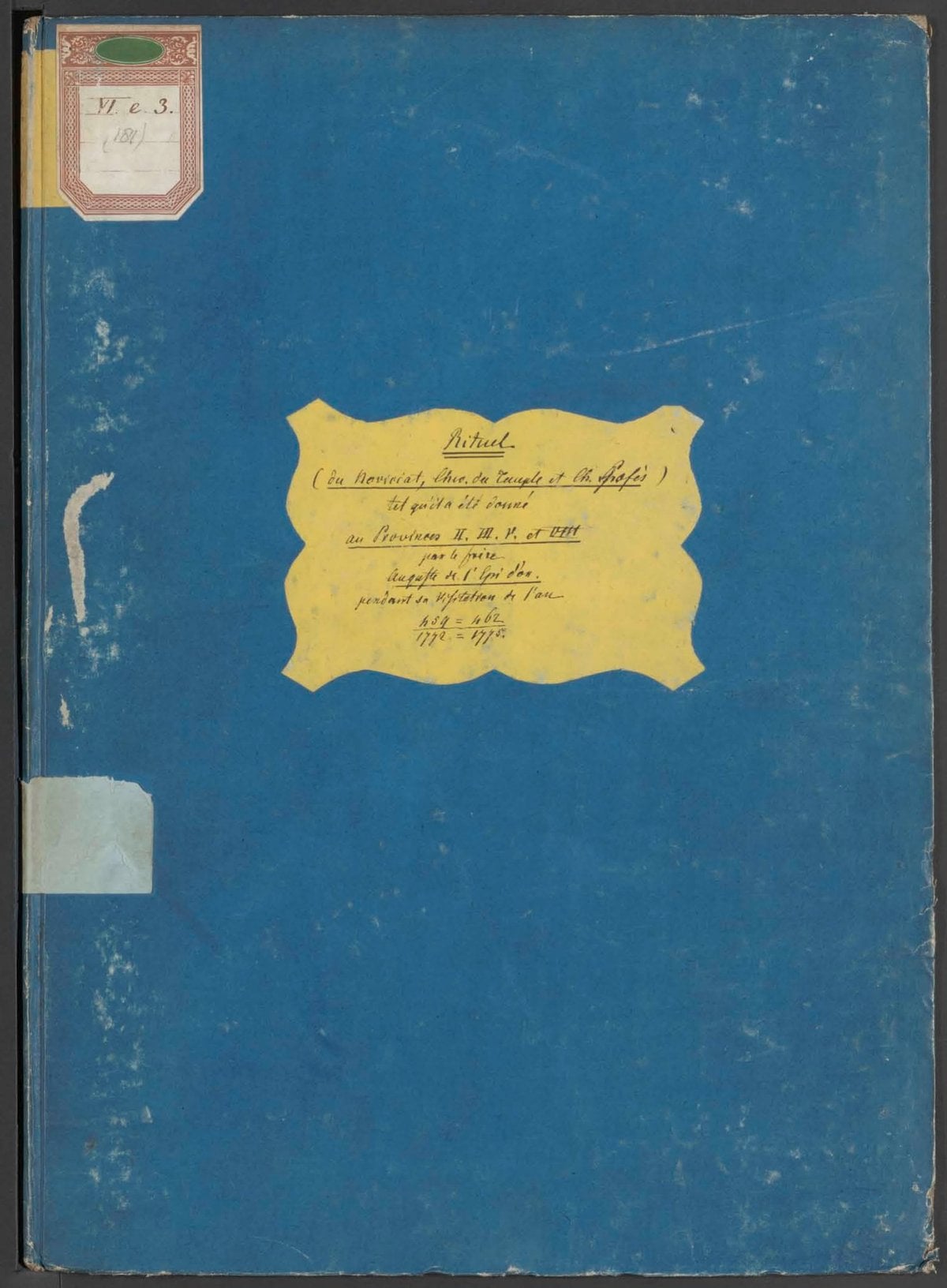
Ritual of the Novitiate, the Templar, and the Professed Knight
Epi Doré, Auguste de l'