


The Witches' Sabbath
Broomsticks, Flying Ointment, and the Demonology of Female Transgression
Illustrations
Browse all60 images extracted from 12 books
This intricate engraving by Jan Ziarnko, originally published in 1613, serves as a visual compendium of 17th-century beliefs regarding the Witches' Sabbat. The scene depicts a chaotic yet organized gathering where participants arrive by flight, feast on forbidden foods, and perform a circular dance around a central demonic figure enthroned as a goat. Such imagery was pivotal in codifying the popular and legal perceptions of witchcraft during the height of the European witch trials.
This engraving illustrates the early modern belief in personal spirits, contrasting a solitary, rugged 'Evil Genius' with a pair of 'Good Genii' accompanied by a serpent. The work reflects the period's fascination with the unseen world and the moral dualism inherent in Beaumont's treatise on apparitions.
This woodcut illustrates a dramatic supernatural encounter, where a monstrous, bird-like demon appears to be attacking or tormenting two men. Such imagery was common in early modern treatises on witchcraft and magic to visualize the perceived dangers of the occult and demonic influence.
This woodcut from Ulrich Molitor's 1489 treatise depicts two women conjuring a storm by brewing a magical potion in a large cauldron. One figure adds a snake to the mixture while hail falls from the clouds above, reflecting late 15th-century anxieties about the supernatural power of witches to cause agricultural damage. It is one of the earliest and most influential visual representations of witchcraft in printed media.
This striking engraving depicts the physician Johann Weyer (1515–1588) at the age of sixty, as indicated by the Latin inscription. Weyer is famously known for his early opposition to the persecution of witches, arguing that many accused were suffering from mental illness rather than demonic possession. The inclusion of a human skull serves as a memento mori, a reminder of mortality, while the motto 'Vince Te Ipsum' (Conquer Yourself) reflects the Stoic values prevalent among Renaissance intellectuals.
This intricate woodcut, originally dating to 1510, serves as a visual compendium of early modern European beliefs regarding witchcraft and sorcery. The central figure is a sorcerer performing a ritual within a protective magic circle, while surrounding scenes depict witches flying through the air on goats, conjuring storms with cauldrons, and the grim reality of execution by fire. Such imagery played a crucial role in the cultural construction of the 'witch craze' that swept through Europe during this period.

This intricate engraving serves as the frontispiece for the second part of Jean Bodin's treatise on demonology. The central scene depicts a necromancer or scholar performing a ritual within a magic circle strewn with human remains, while upper vignettes illustrate various acts of witchcraft and demonic possession. It vividly captures the 17th-century European preoccupation with the supernatural and the perceived threat of the occult.

This woodcut portrait depicts the author Johann Weyer at the age of sixty, as indicated by the Latin inscription. Weyer, a physician who famously challenged the persecution of supposed witches, is shown with a human skull, a classic memento mori symbol reflecting on mortality and wisdom. The motto 'VINCE TE IPSVM' (Conquer thyself) underscores the humanist values of self-discipline and reason that characterized his work.

This intricate ex-libris belongs to Charles Atwood Kofoid, a prominent American zoologist known for his work in marine biology. The design reflects his professional and personal interests, juxtaposing a traditional library setting with a detailed cross-section of marine life and a research vessel, symbolizing his significant contributions to biological science.
Visual Art
Browse all art →60 works of visual art in this collection
 allegory
Lo Stregozzo (The Witches' Procession)
Agostino Veneziano
A group of witches and fantastic creatures process through a dark landscape, carrying a skeletal chariot composed of bones and organic debris.
 allegory
The Four Witches (Four Naked Women)
Albrecht Dürer
Four naked women stand in an interior space near a flaming hearth, accompanied by a sphere suspended from the ceiling and a skull on the floor.
 mythological
Witch Riding Backwards on a Goat
Albrecht Dürer
A nude witch with flowing hair rides a goat backwards through the air, holding a staff topped with a bundle of sticks emitting sparks, while four putti below interact with one another and hold various objects.
 print
printThe Sabbath Eve
Alexander Johnston
 genre-scene
Witches Preparing for Sabbath
Andries Stock (after Jacques de Gheyn II)
A chaotic scene depicting witches preparing for a nocturnal sabbath, featuring various supernatural creatures, demons, and occult transformations in a rocky landscape.
 print
printHexenhammer Weingarten
AnonymousUnknown author
 mythological
Witch's Sabbath (Sabbat)
Auguste Rodin
A central female figure sits with her legs spread wide, straddling a broomstick that extends vertically between her legs.
 genre-scene
Witches' Sabbath, from "Les Sabbats"
Claude Gillot
A Witches' Sabbath scene featuring a central enthroned devil, dancing figures, hybrid creatures, and occult paraphernalia.
 painting
A Witches' Sabbath
Cornelis Saftleven
A witch riding a goat leads a gathering of hybrid creatures, satyrs, and demonic figures in a nocturnal ritual within a dark, rocky landscape.
 print
print(Venice) Votive Scene by Pietro Vecchia - Gallerie Accademia
Didier Descouens
A group of four figures, including a woman in a white turban and an elderly man, are gathered behind a stone table featuring a dead black rooster and several gourds.
 print
printMalleus Maleficarum liburua
EdadMedia
 print
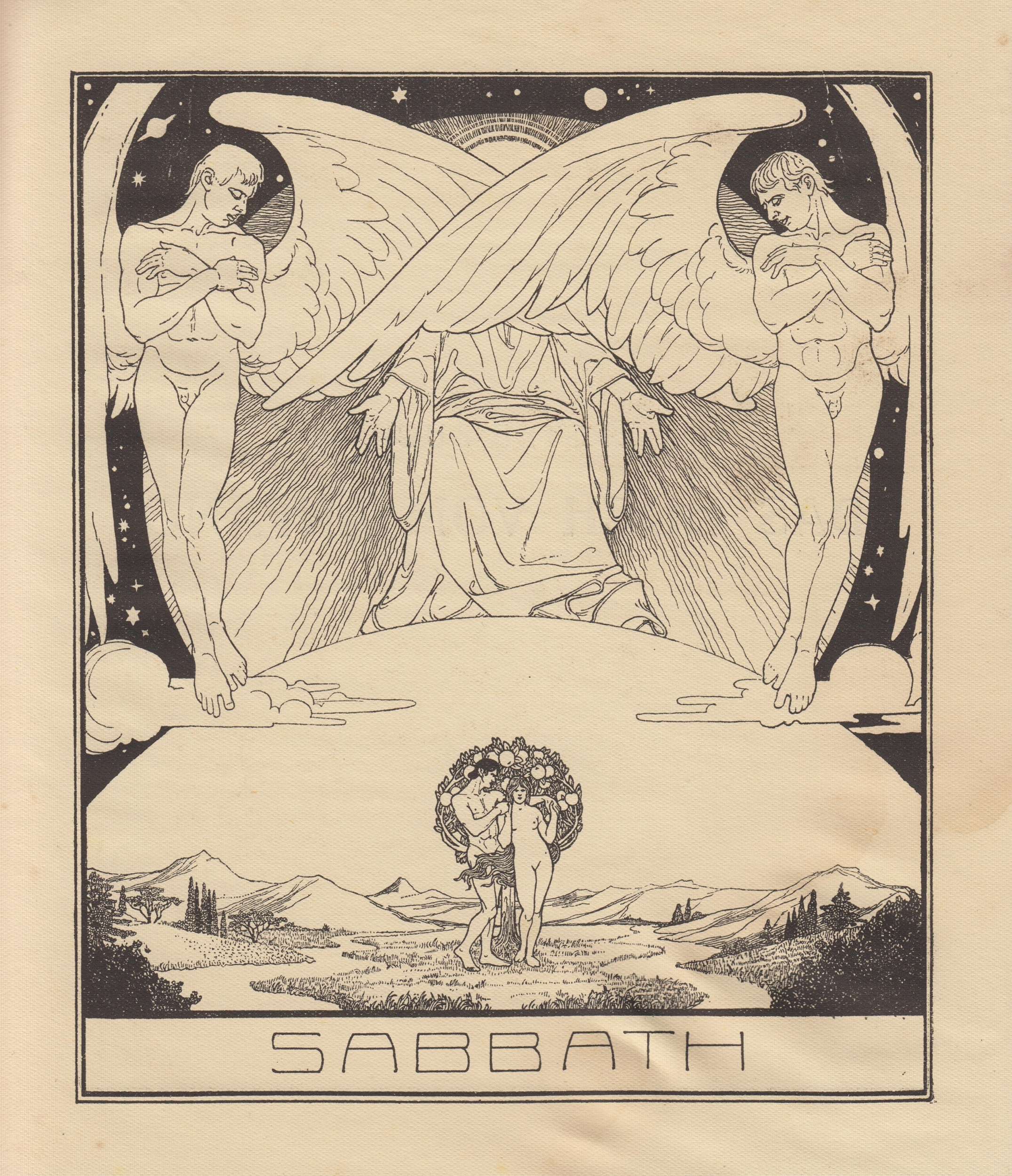
printLilien Ephraim Moses, 1923, Szabat
Ephraim Moses Lilien
 genre-scene
Macbeth Consulting the Witches
Eugène Delacroix
The Scottish general Macbeth stands before three witches who are chanting over a steaming cauldron.
 mythological
Macbeth and the Witches
Eugène Delacroix
The Scottish general Macbeth stands with arms folded while confronting three witches who hover over a boiling cauldron.
 allegory
Pretty Teacher! (Los Caprichos, Plate 68)
Francisco de Goya
An elderly, stooped witch carrying a younger, nude woman on a broomstick, accompanied by an owl flying above them.
The witches' sabbath — the supposed nocturnal gathering where witches flew on broomsticks, consorted with demons, and performed obscene rituals — was one of the most powerful fantasies of early modern Europe. Behind the fantasy lay a pharmacological reality: hallucinogenic ointments (containing belladonna, henbane, and aconite) applied to mucous membranes via a staff or broomstick produced sensations of flight and transformation. This collection brings together the primary texts that constructed and debated the sabbath — from the Malleus Maleficarum to Reginald Scot's skeptical Discoverie of Witchcraft — alongside the artworks that gave it visual form, from Baldung Grien's nude witches to Goya's Caprichos to Rodin's late watercolors.
All Books
Browse Full Catalog→105 books in this collection
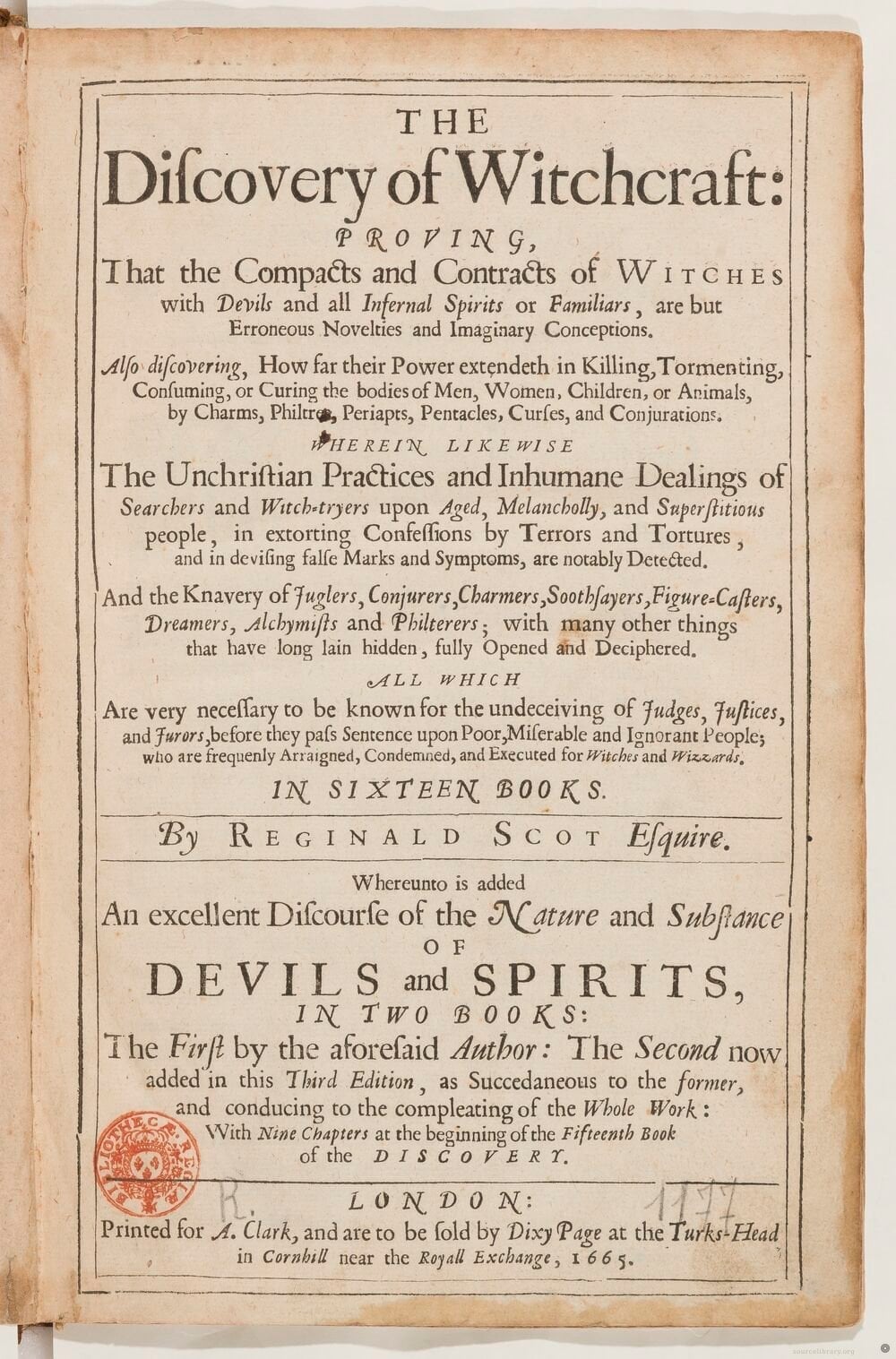
The Discovery of Witchcraft
Reginald Scot
King James: Daemonologie (1597 First Edition)
King James I of England
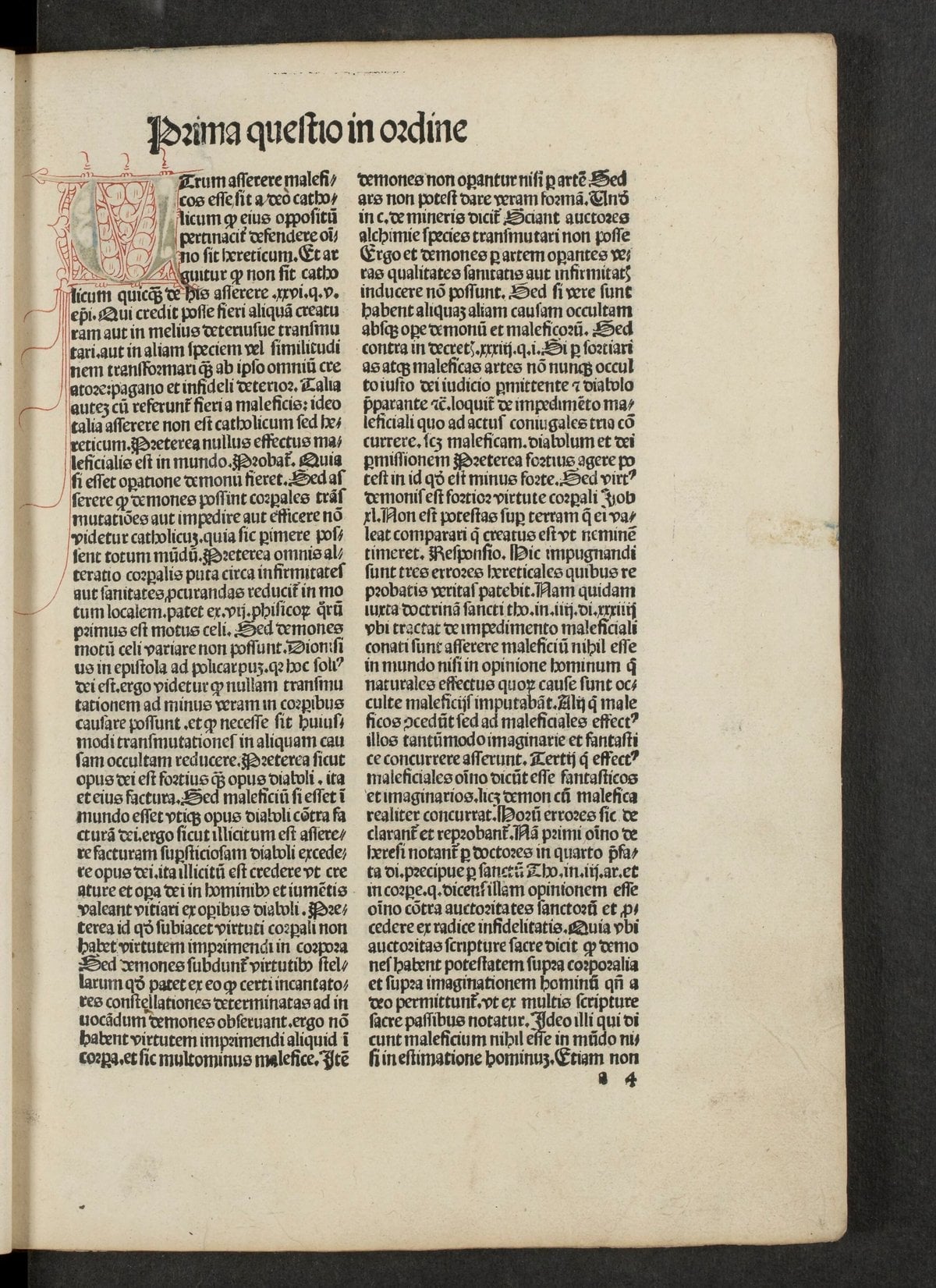
The Hammer of Witches
Heinrich Kramer & Jacob Sprenger
The Enemy of Witchcraft
Johannes Trithemius
Compendium of Witches (Compendium Maleficarum)
Francesco Maria Guazzo
Daemonologie, in Forme of a Dialogue
King James VI/I
On Witches and Female Soothsayers
Ulrich Molitor
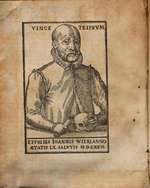
On Witches
Johann Weyer
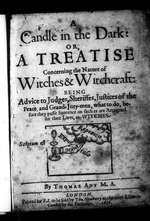
A Candle in the Dark; or, A Treatise Concerning the Nature of Witches & Witchcraft
Thomas Ady
Compendium Maleficarum (illustrated witchcraft manual)
Francesco Maria Guazzo
The Discoverie of Witchcraft
Reginald Scot
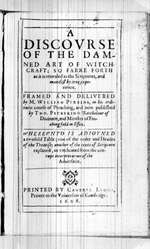
A Discourse of the Damned Art of Witchcraft
William Perkins
A Discourse of the Subtill Practises of Devilles by Witches
George Gifford

A History of Witchcraft in England from 1558 to 1718
Wallace Notestein