


Illustrations
Browse all60 images extracted from 4 works
This intricate frontispiece from the 1651 Elzevir edition portrays the three Roman elegiac poets—Catullus, Tibullus, and Propertius—engaged in creative labor within an idealized pastoral setting. The inclusion of Pegasus and swans, traditional symbols of poetic inspiration and Apollo, elevates the volume as a definitive collection of classical verse, reflecting the scholarly prestige of the Elzevir press.
This intricate woodcut depicts an elaborate allegorical fountain, a central motif in Poliphilo's dream journey. The structure features a three-headed female figure at its apex, likely representing Hecate, surrounded by mythical creatures like dragons and winged sphinxes. This illustration exemplifies the sophisticated blend of classical architecture and arcane symbolism characteristic of the Hypnerotomachia Poliphili, one of the most beautiful and enigmatic books of the Renaissance.
This elaborate woodcut depicts a monumental altar or tomb, a central motif in Poliphile's dream journey through a landscape of classical ruins. The structure is rich with symbolic detail, including a seated royal figure in a central niche and Greek inscriptions that add to its mysterious, allegorical nature. Such illustrations were groundbreaking for their integration of text and image, influencing Renaissance architecture and garden design.
This intricate woodcut depicts a monumental stepped pyramid topped by a slender obelisk, a key architectural fantasy from Poliphile's dream journey. A winged figure, likely representing Fortune or Fame, crowns the structure, which is framed by ancient, weathered trees. The image reflects the Renaissance fascination with classical antiquity and its symbolic reinterpretation within a dreamlike narrative.
This elaborate woodcut depicts a monumental classical portal, a key architectural element in Poliphilo's dream journey. The structure is adorned with intricate reliefs depicting mythological scenes and is topped by medallions featuring profile portraits, reflecting the Renaissance fascination with Greco-Roman antiquity. This illustration is a prime example of the sophisticated woodcut technique used in the 1561 French edition of Francesco Colonna's influential work.
This intricate woodcut depicts a ritual sacrifice to the god Priapus, a scene from the dream-narrative of Poliphilo. A group of women surrounds the ithyphallic statue under a lush canopy, while in the foreground, an ass is being prepared for sacrifice. This illustration is a prime example of the sophisticated classical revival and eroticized antiquarianism characteristic of the Hypnerotomachia Poliphili, one of the most beautiful and enigmatic books of the early printing era.

This elaborate woodcut depicts a monumental classical portal, a key architectural element in Poliphile's dream journey. The structure is adorned with intricate reliefs and medallions depicting mythological scenes and portraits, reflecting the Renaissance fascination with antiquity and architectural theory. It serves as a visual manifestation of the book's complex allegorical narrative.
Carracci's Lascivie, Aretino's I Modi, Beardsley's Lysistrata, Utamaro's shunga, Khajuraho's temple sculptures, Avril's illustrations. The frankest visual tradition in Western and Eastern art, spanning Greek vases to Edo-period woodcuts.
All Works
Browse Full Catalog→1,305 works in this collection
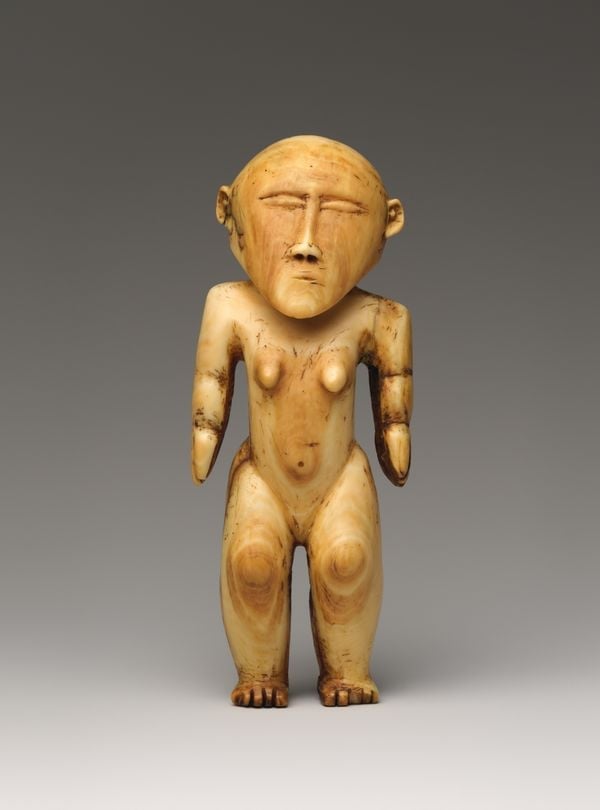
'Otua Fefine (Deity Figure) — Tongan
Tongan artist, Ha'apai Islands
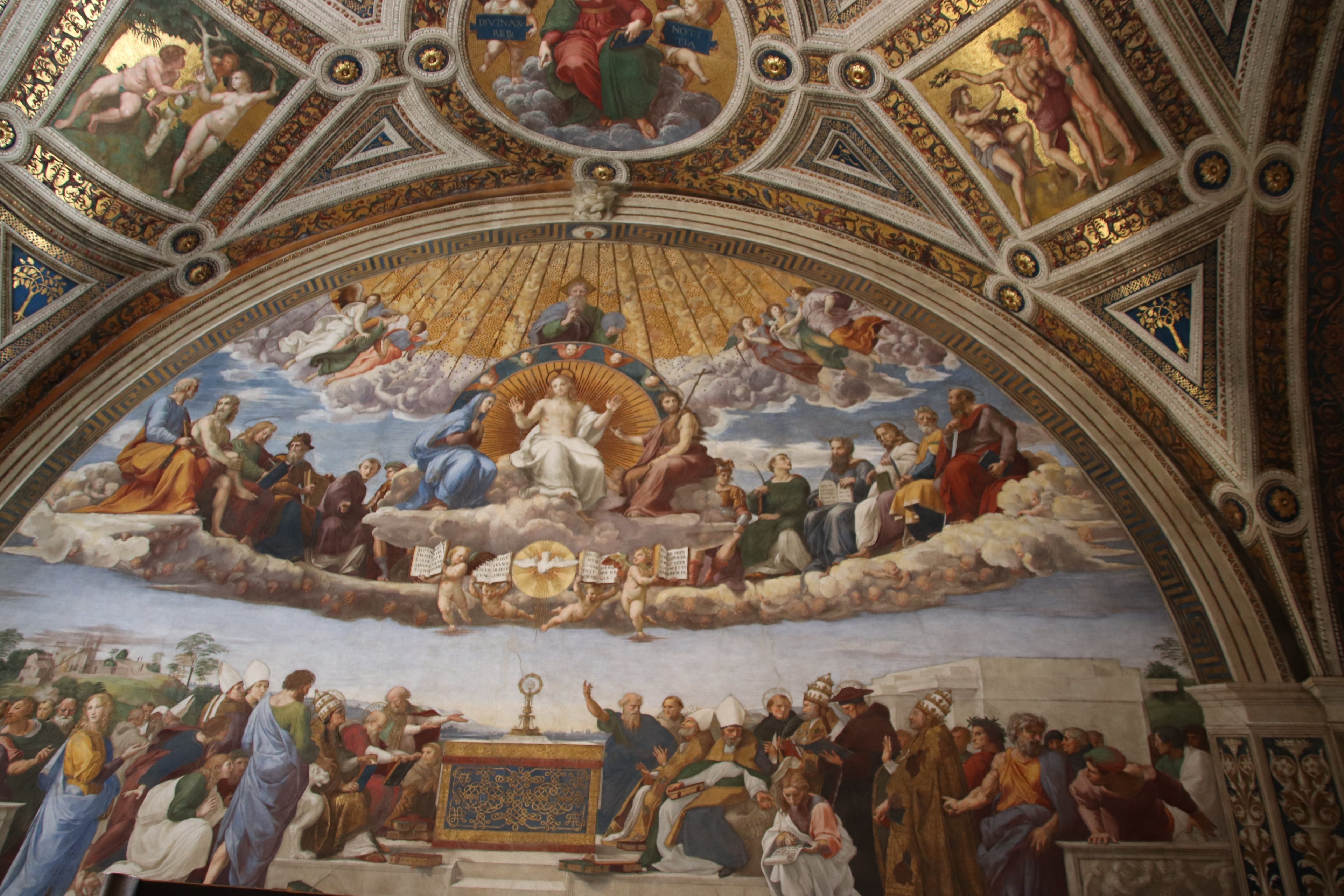
"Disputation of the Holy Sacrament" by Raphael, Raphael Rooms, Vatican Museum (48466326127)
Raphael
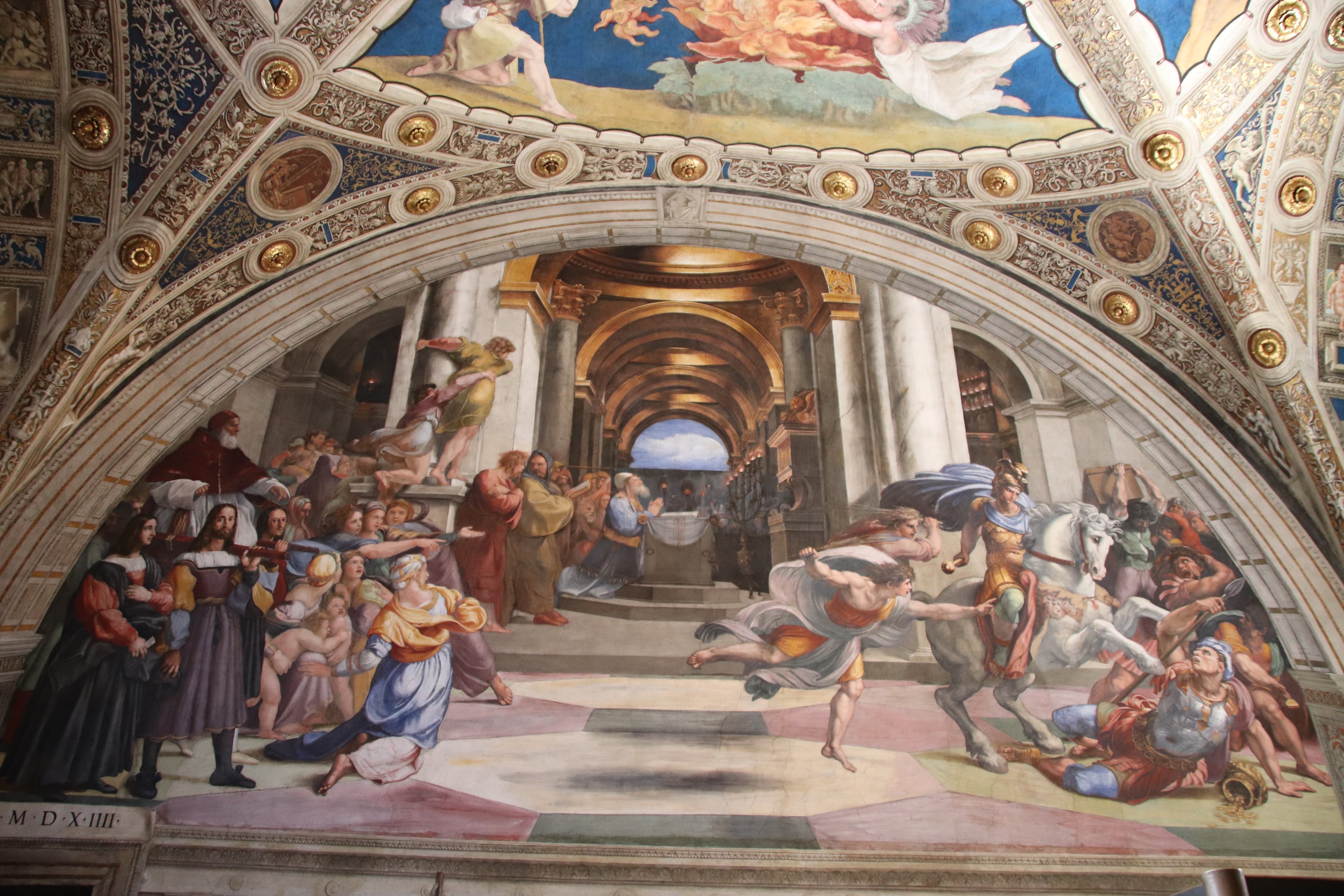
"Expulsion of Heliodorus from the Temple" by Raphael, Raphael Rooms, Vatican Museum (48466176181)
Raphael
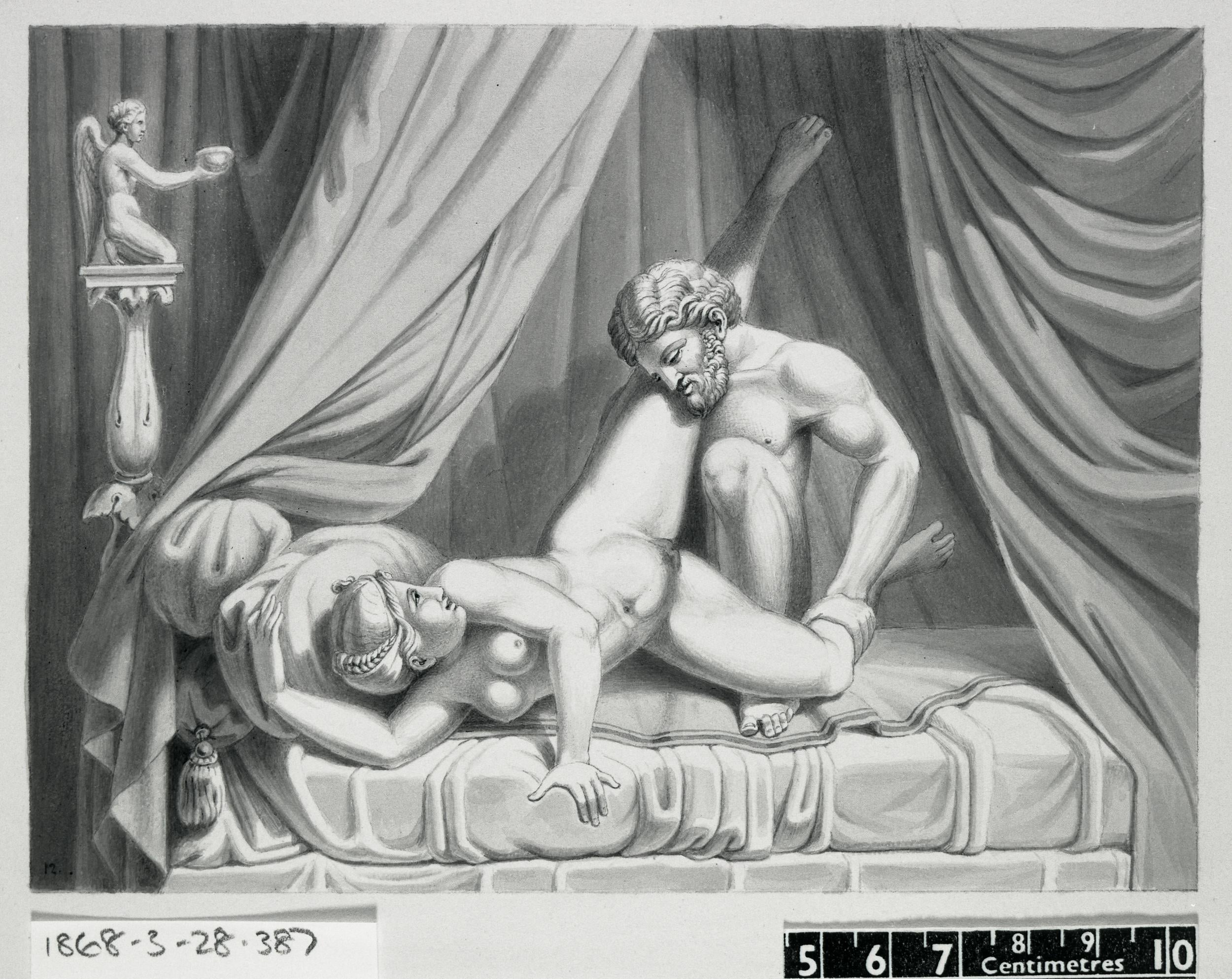
I modi, Plate 9 (after Marcantonio Raimondi)
Jean Frédéric Maximilien de Waldeck
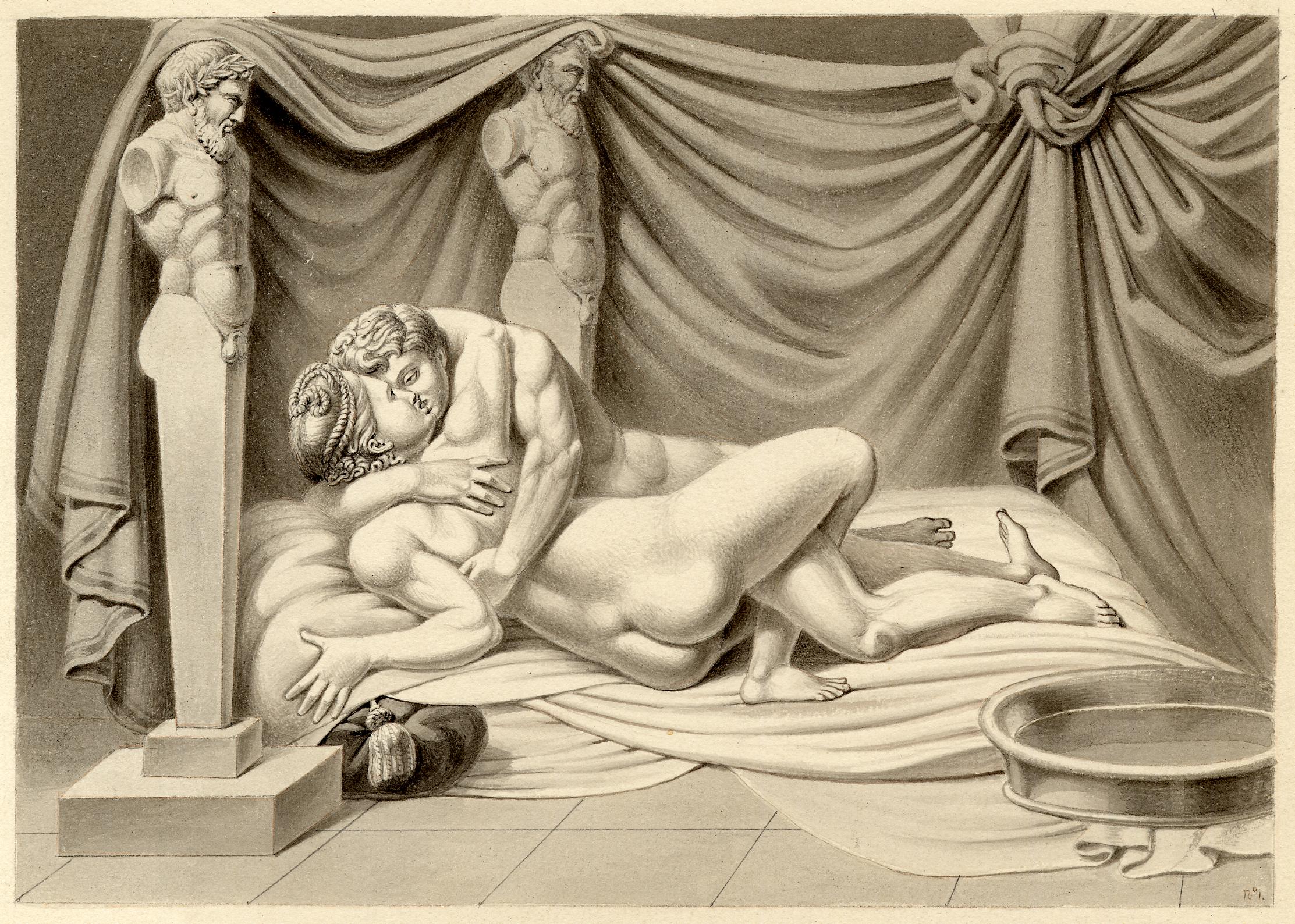
I Modi, Plate 1
Jean Frédéric Maximilien de Waldeck (after Marcantonio Raimondi)
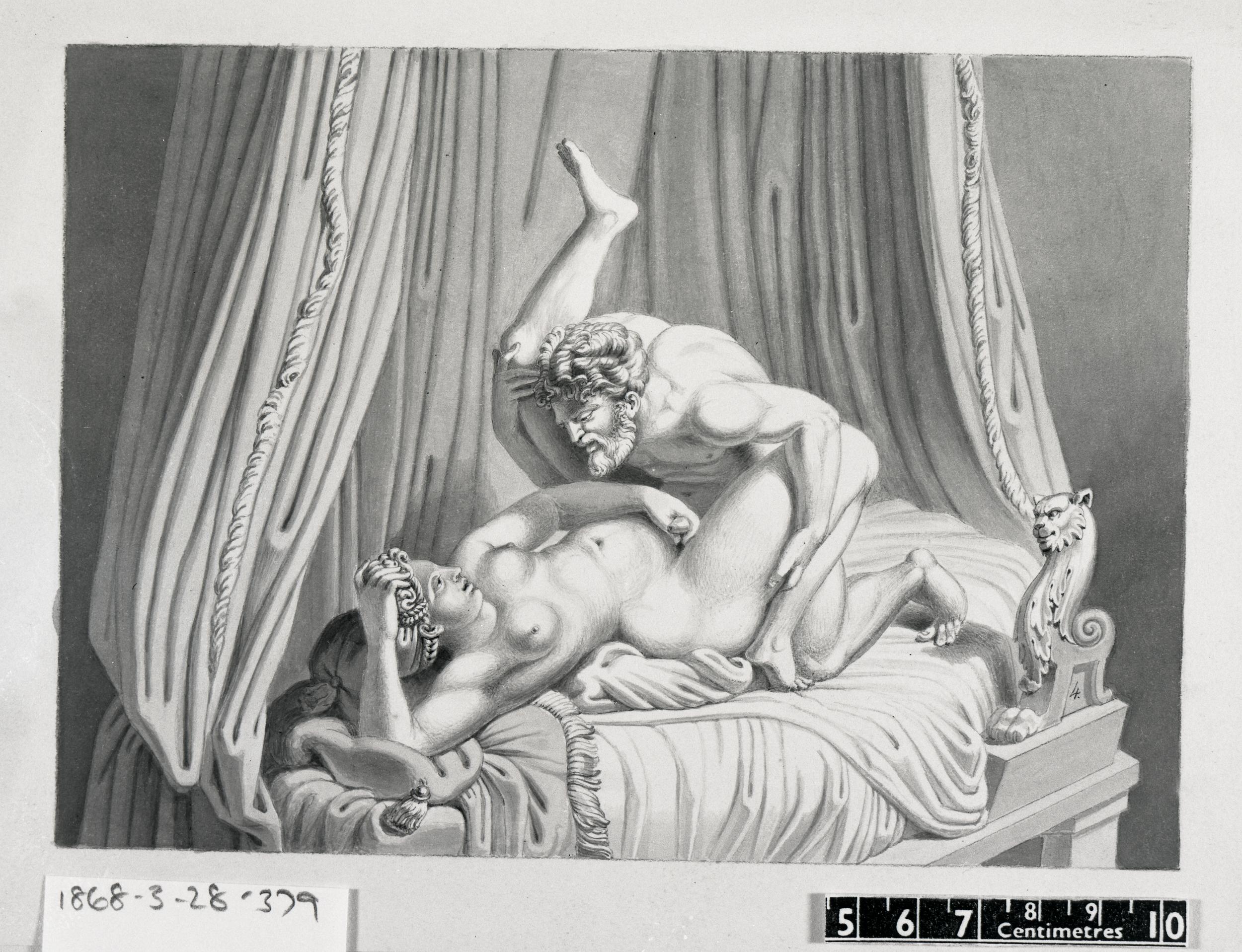
I modi: Posture 4
Jean Frédéric Maximilien de Waldeck
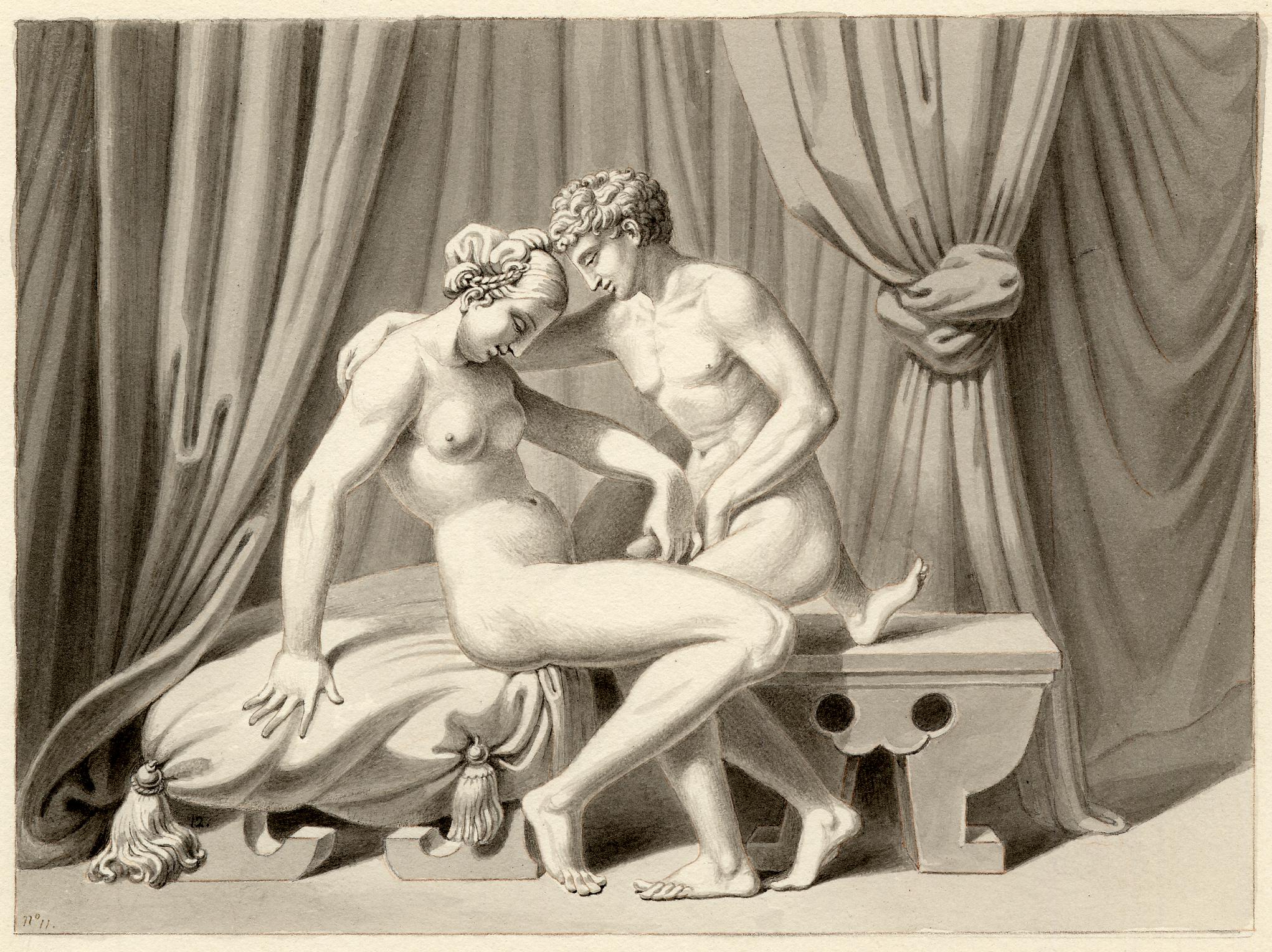
I modi, Plate 11: Couple on a Bench
Jean Frédéric Maximilien de Waldeck
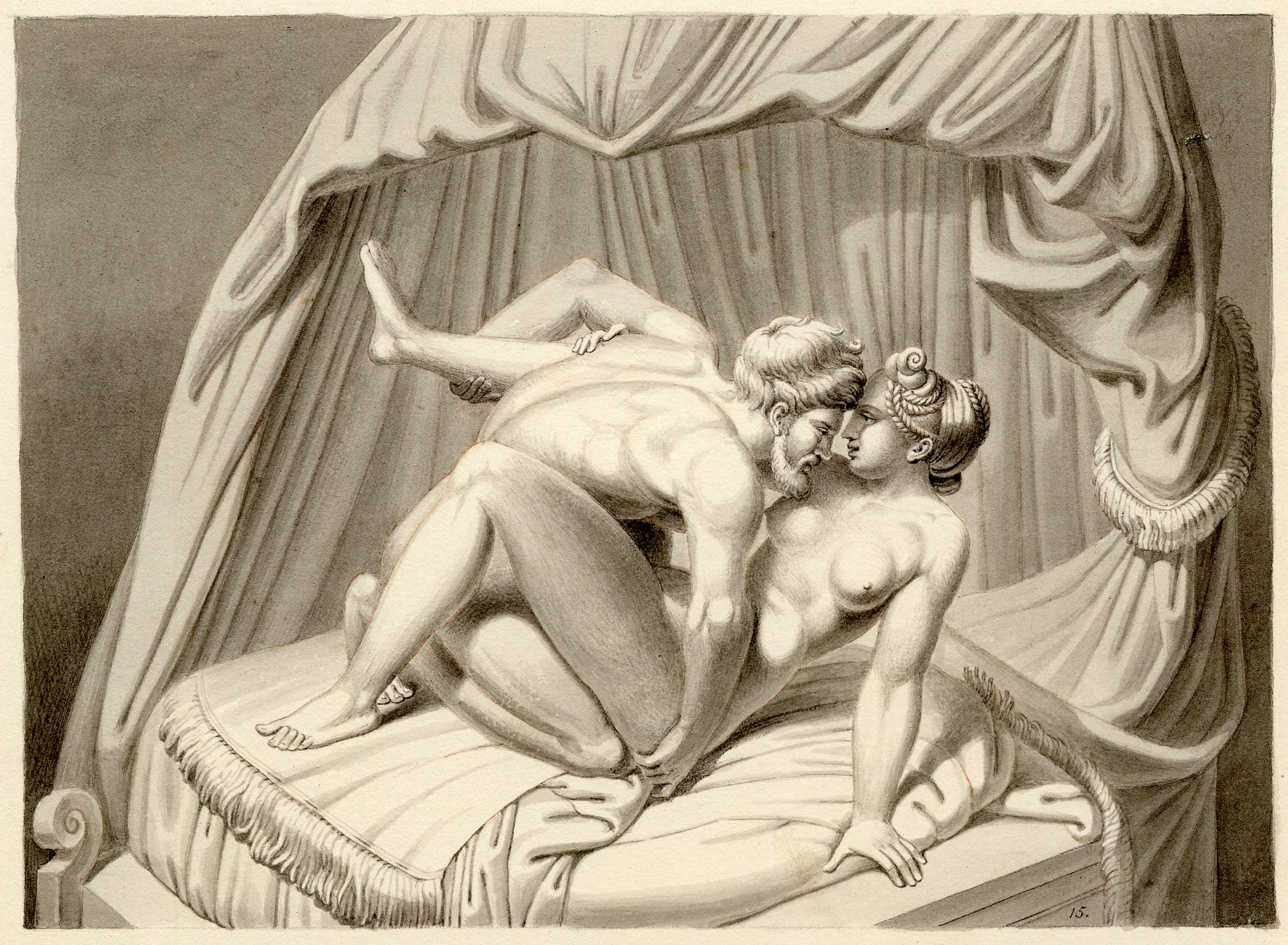
I modi, Plate 15
Jean Frédéric Maximilien de Waldeck
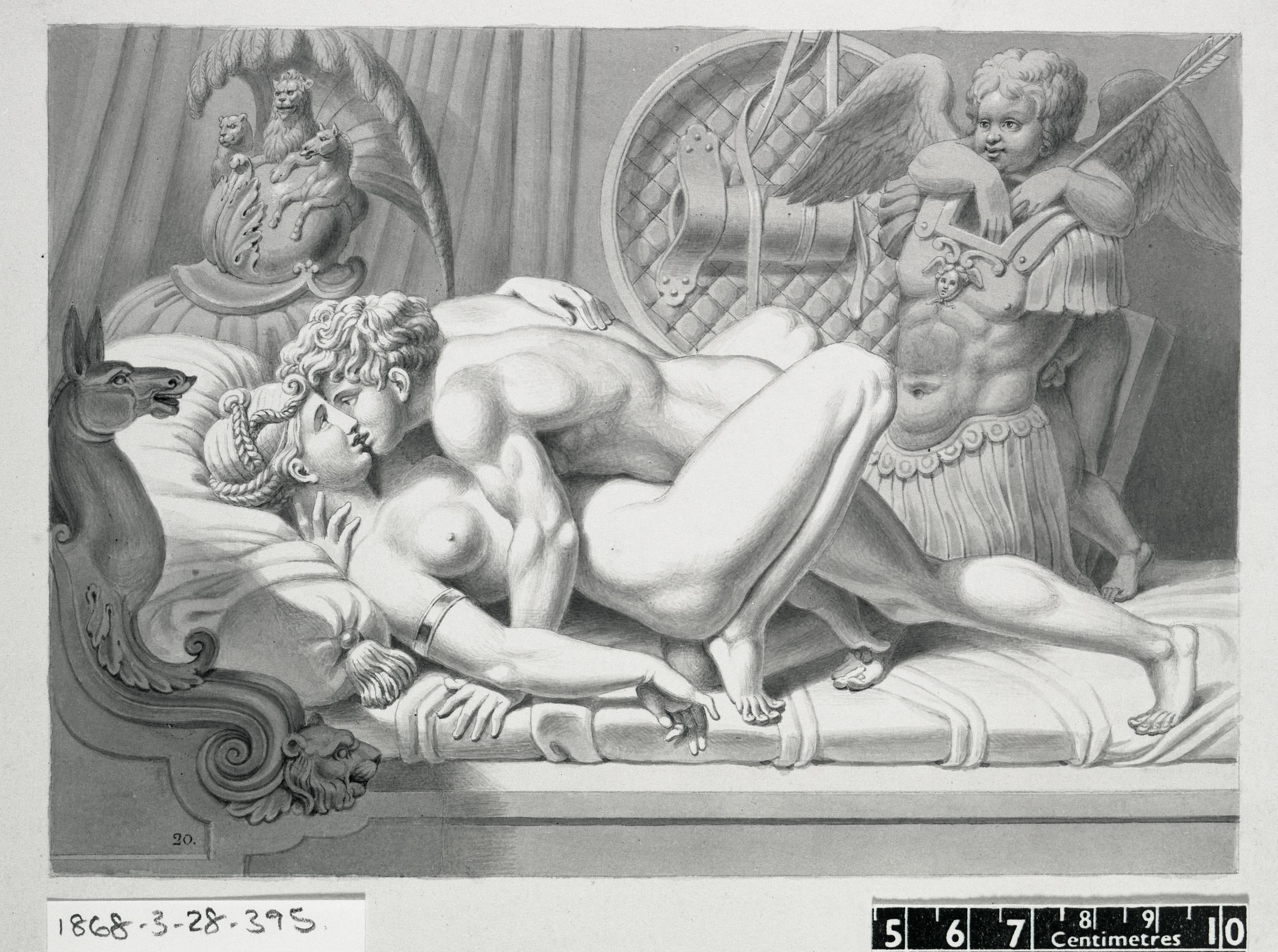
I Modi: Position 20
Jean Frédéric Maximilien de Waldeck
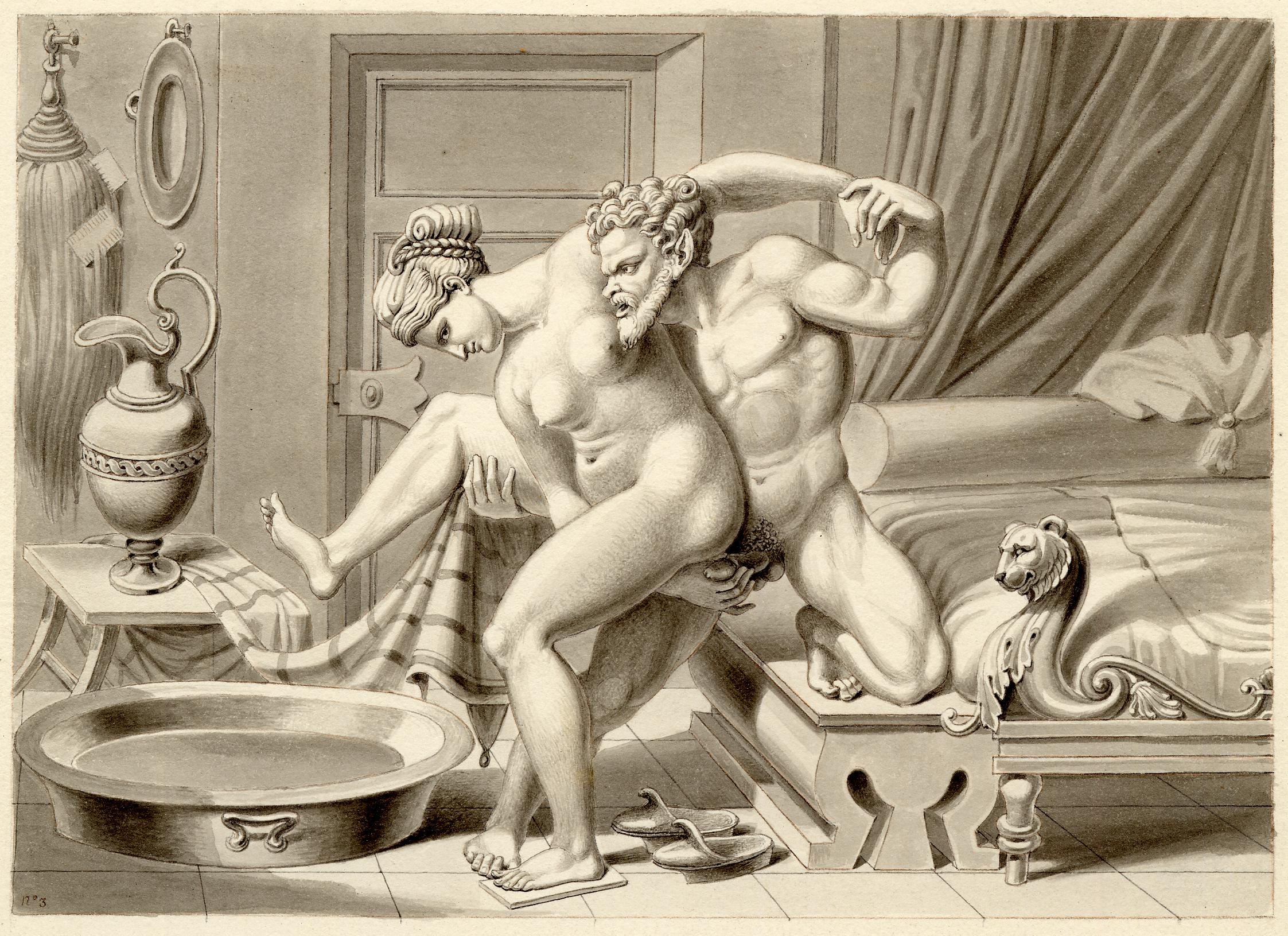
I modi, Posture 7
Jean Frédéric Maximilien de Waldeck
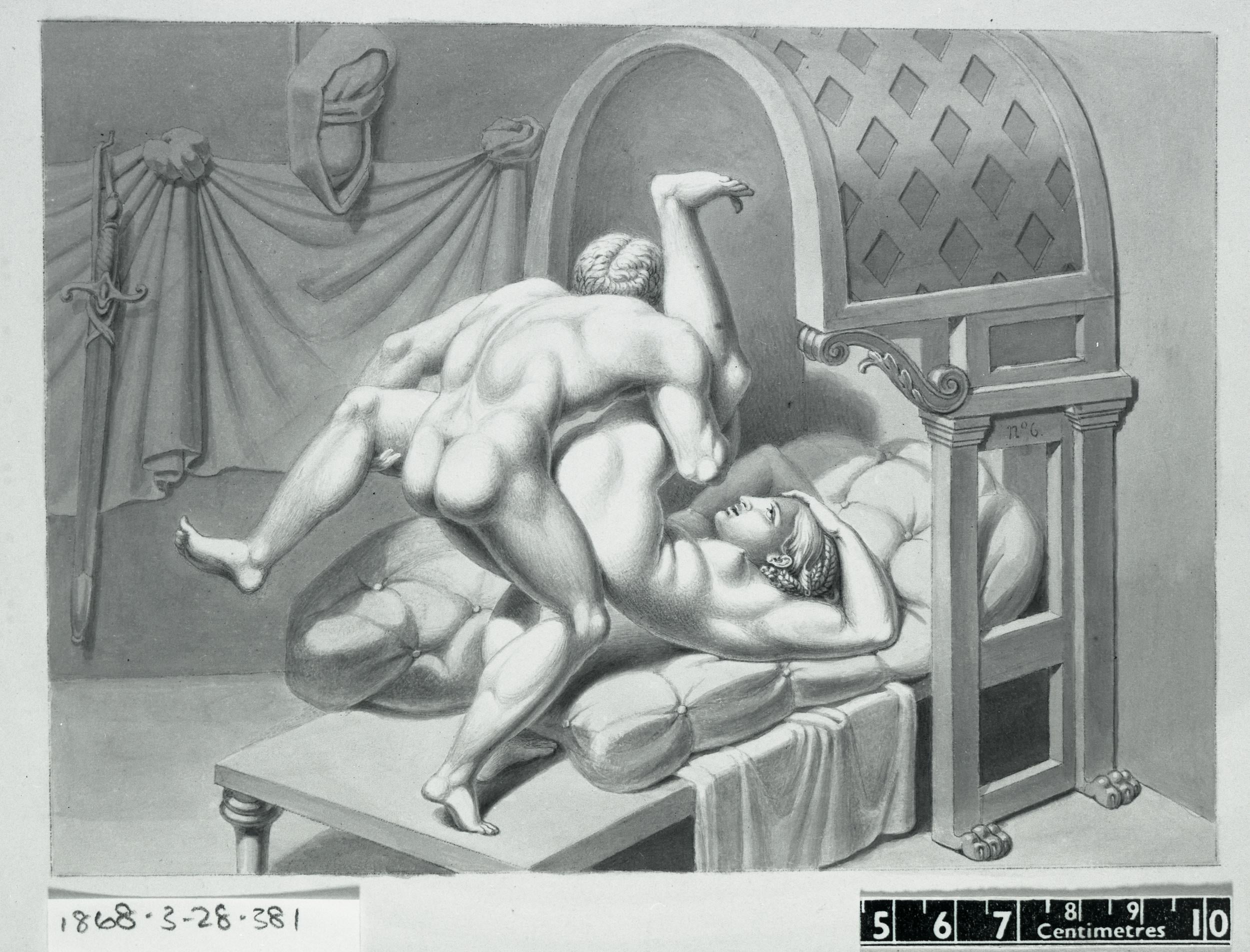
I Modi, Plate 6
Jean Frédéric Maximilien de Waldeck
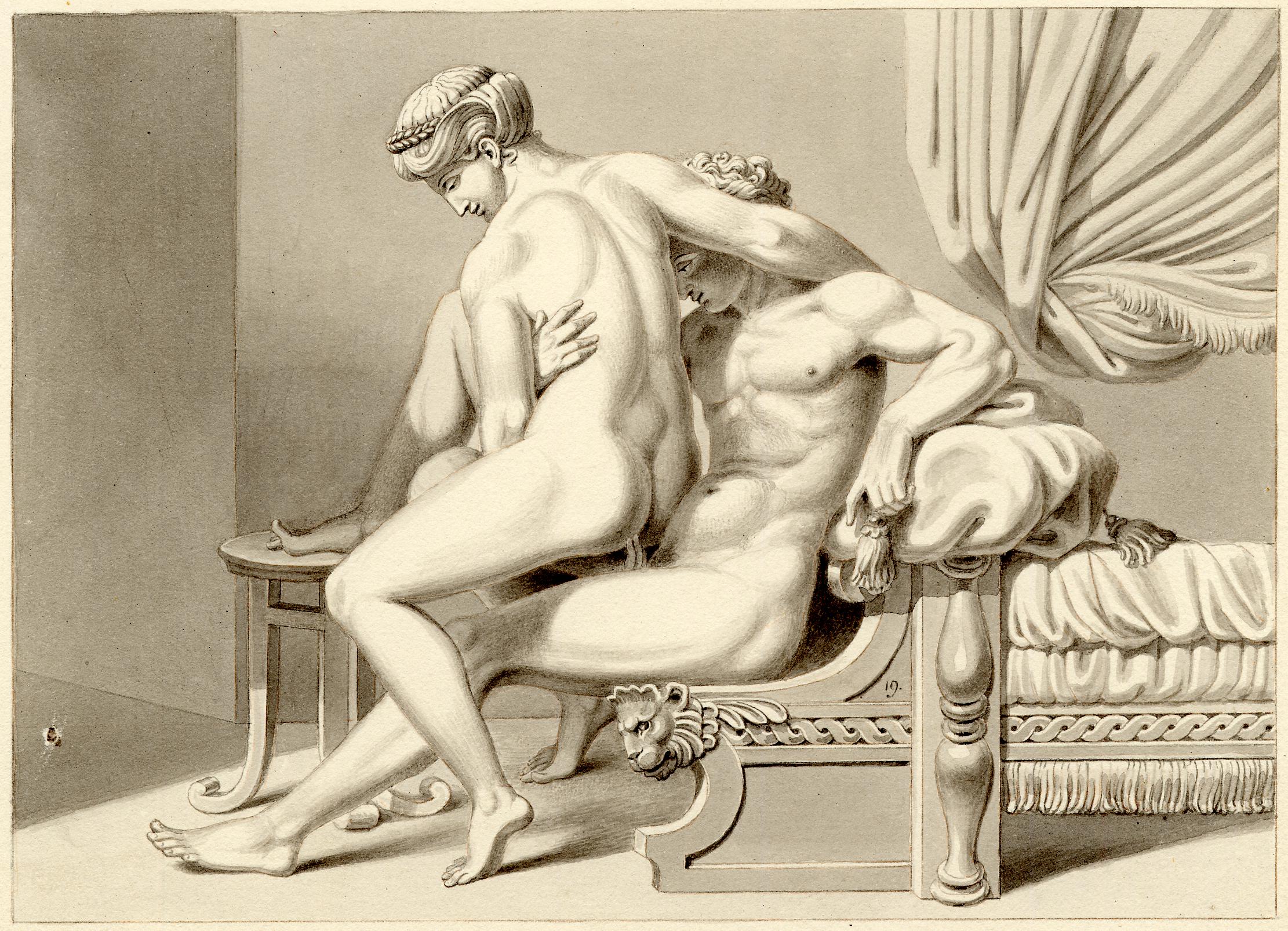
I modi, Plate 19
Jean Frédéric Maximilien de Waldeck
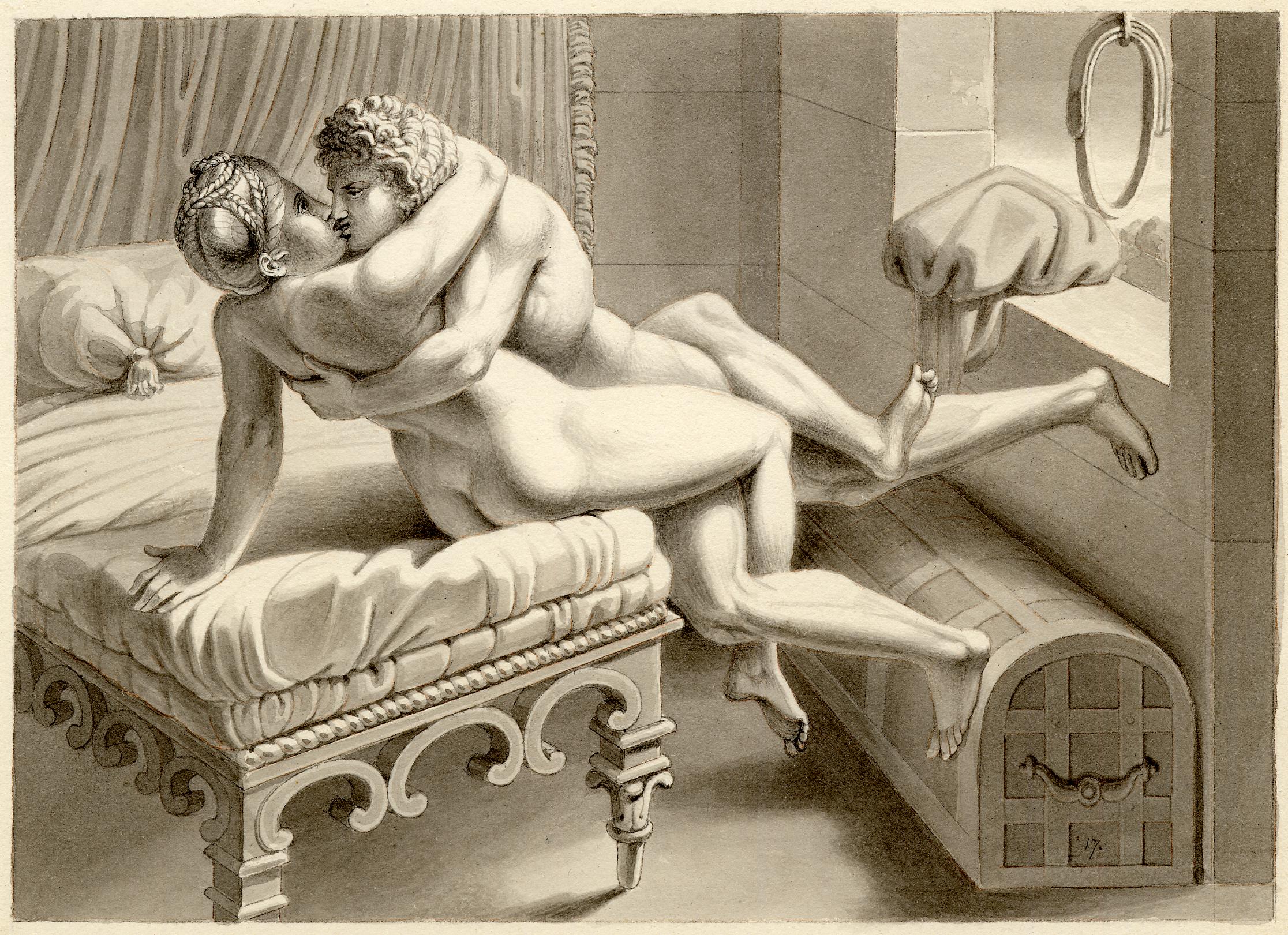
I modi, Plate 8
Jean Frédéric Maximilien de Waldeck
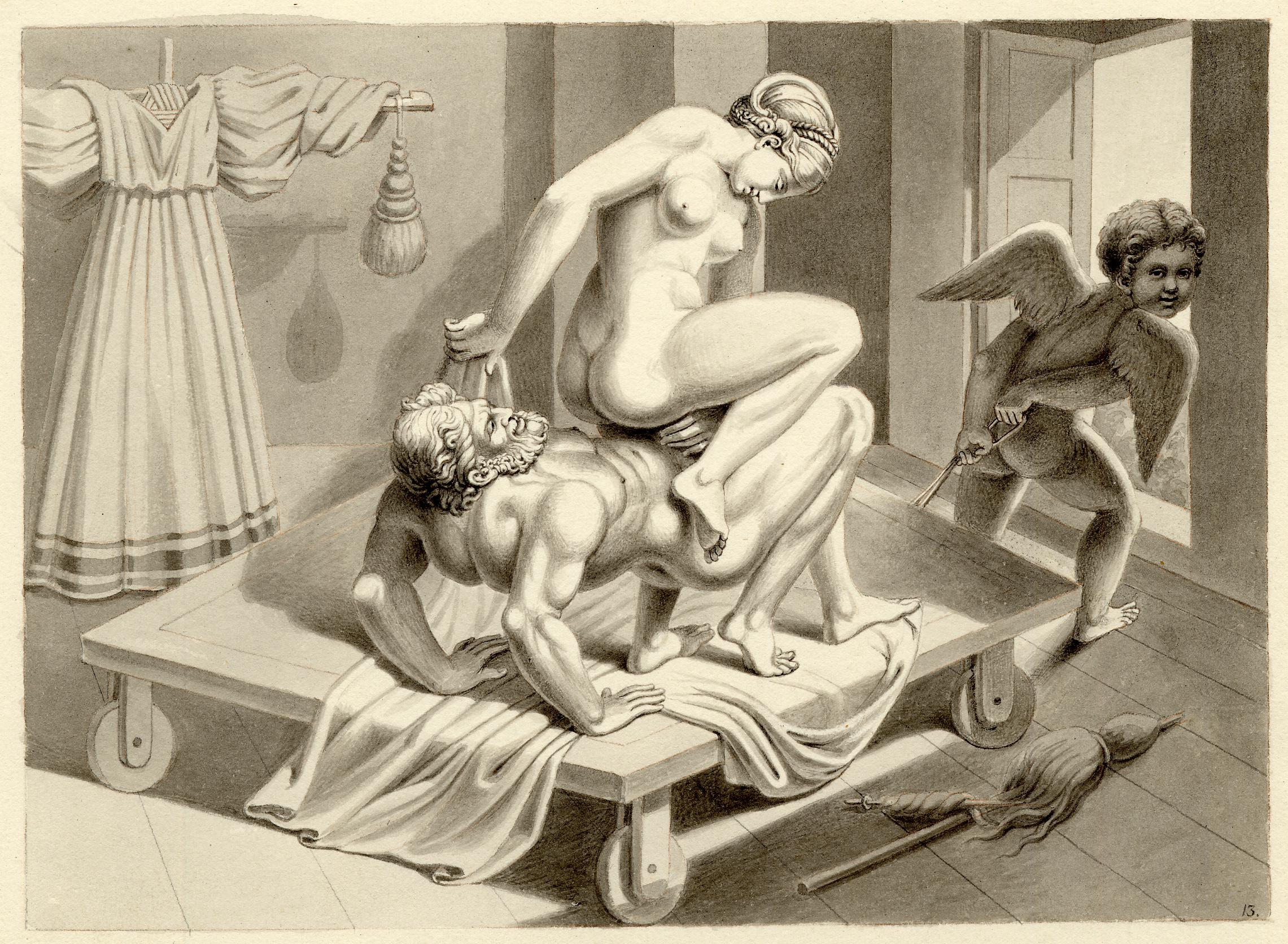
I modi, Plate 9: Sexual position on a wheeled platform
Jean Frédéric Maximilien de Waldeck